It starts with a traffic stop on a humid evening in Atlanta. A 22-year-old college student, Malik, grips the steering wheel as blue lights reflect across his windshield. Nationally, this moment is not rare—law enforcement agencies in the United States make roughly 10 million arrests per year, and tens of millions of traffic stops occur annually. The highest arrest rates fall between ages 18 and 29, with peaks around 19 to 23. Malik is right in that window.
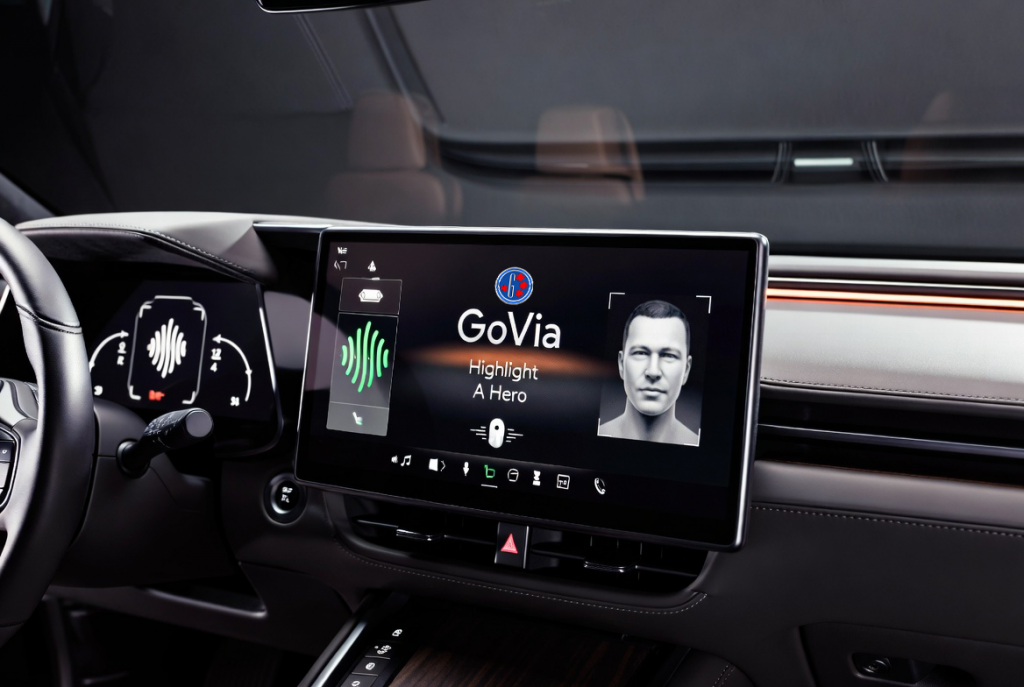
But tonight, something is different. Malik taps his phone. GoVia Highlight A Hero activates.
The Citizen Dashboard: Understanding Before Reacting
On Malik’s screen, the citizen dashboard speaks in plain, simple terms:
- “Stay calm. Keep your hands visible.”
- “Do not argue. You can challenge this later.”
- “Failure to comply can become an additional charge.”
- “Your attorney is connecting, now!”
Across the U.S., many arrests begin with minor issues—traffic violations, low-level drug possession, or disorderly conduct. These are typically misdemeanors. Yet escalation is common. A simple stop can turn into charges like resisting arrest or obstruction, which in many jurisdictions can rise to felony-level consequences depending on behavior.
The app breaks it down in the educational portion before encounter:
- A misdemeanor is a smaller crime, like driving without a license.
- A felony is a serious crime, like fleeing from police or assault.
- Not listening or resisting can add new charges, even if the first reason for the stop was small.
Malik hears a calm voice through the app: an attorney has joined.
“You are being stopped for a broken taillight,” the attorney explains. “Comply. Do not escalate. We will handle this legally.” “I will do the talking” the attorney replies. If you say anything say “Talk to my attorney, he/she is live streaming.” Repeat it repeatedly for the police officer to understand.
In the U.S., an estimated 70–80 million people have some form of criminal record out of a population of about 330+ million. Many of those records begin with moments like this—small decisions under pressure.
GoVia exists to interrupt that pattern.
The Police Dashboard: Protection for the Officer
Officer Ramirez scans Malik’s “secured QR code” from the bumper provided by GoVia app. Instantly, her dashboard activates.
She sees:
- Real-time legal guidance based on current state law (Georgia).
- Confirmation that an attorney is present on the call.
- A secure video feed being recorded for evidence.
- Behavioral indicators suggesting de-escalation is likely successful.
Departments across cities like Atlanta, Los Angeles, Cleveland, and New York face similar pressures: high call volumes, public scrutiny, and split-second decisions. National data shows 3.2 billion is paid in police misconduct settlements annually, often tied to escalations that spiral.
GoVia adds a second layer of protection.
Officer Ramirez is no longer alone in interpretation. Predictive and generative AI tools surface the applicable statute for the stop. There is no guesswork. The officers enter traffic info into her computer why the stop this info can be provide to the attorney in the live stream to break down to the citizen in question, (The officer now is quoting update laws using ai and the attorney is interpreting). The attorney can now help deescalate the client so both parties are working smarter and safer. Community and the city can sleep better knowing GoVia is here.
Behind the system are advisors like:
- Retired Detective Derek Sabino (DeKalb County, GA)
- Military consultant Marrico Hicks (Atlanta, GA)
- Retired President of the Black Shield Police Association, author of “Conscious Policing” Detective Lynn Hampton (Cleveland, Ohio)
Their influence is embedded in the dashboard’s logic: pro-police, pro-citizen, pro-safety.
If an arrest becomes necessary, it is documented, explained, and witnessed in real time.
The Attorney Dashboard: De-escalation in Real Time
The attorney sees what both Malik and Officer Ramirez see—plus more.
Their dashboard includes:
- Live statute references for the exact charge.
- Historical data: most common charges tied to traffic stops (e.g., driving without a license, possession, outstanding warrants).
- Patterns of “charge stacking,” where additional charges like resisting arrest are added during escalation.
Nationally, a significant percentage of charges are later reduced or dismissed due to insufficient evidence or procedural issues. But by then, the damage—time, money, stress, record impact—is already done.
The attorney intervenes early.
“Malik, do not exit the vehicle unless instructed. Officer, he is complying.”
A potential escalation dissolves.
The Mental Health Dashboard: Stabilizing the Moment
In Los Angeles, another call unfolds differently. A woman named Elena is experiencing a panic episode during a stop.
Her GoVia profile alerts the system:
- History of anxiety disorder
- Current medication
- Emergency contacts and mental health providers
A mental health agent joins the call. Their dashboard provides:
- Medication considerations
- De-escalation scripts
- A network of 2–3 local support contacts who can join instantly if needed
Encounters involving mental health are among the most volatile. Without context, behavior may be misinterpreted. With GoVia, context arrives in seconds.
Elena slows her breathing. The officer adjusts tone and pace. No arrest is made.
The Bail Bondsman Dashboard: Preparing Before It’s Too Late
In Cleveland, a different outcome. A man named Darius is being arrested on an outstanding warrant.
The attorney signals through GoVia: arrest likely.
The bail bondsman dashboard activates:
- Identity verification
- Charges and jurisdiction
- Estimated bail range based on local data
- Live recorded video as evidence
If Darius has upgraded his GoVia subscription, a “witness” is already present on the call. If not, the bail bondsman joins at this stage.
Dana Acy, a bail bondsman, describes it simply: “You have a professional in your pocket.”
Instead of hours of confusion after booking, the process begins before transport. Family can be notified. Documentation is already secured.
City vs National Patterns
Across major cities, patterns reflect national trends but with local intensity:
- Atlanta: High volume of traffic-related stops and warrant arrests; strong overlap with young adult demographics.
- Los Angeles: Significant intersection of policing and mental health calls.
- Cleveland: Concentrated enforcement zones and repeat low-level offenses that escalate.
- New York: High-density enforcement with frequent misdemeanor-level interactions (public order, transit-related issues).
Nationally:
- Roughly 10 million arrests occur annually.
- Misdemeanors make up the majority of cases.
- A smaller but serious portion involves felonies.
- College campuses report about 22,000 arrests yearly, with:
- 50% drug-related
- 41% alcohol-related
- 9% weapons-related
Many more incidents happen off-campus, especially involving alcohol.
Collateral Damage: The Hidden Cost
An arrest is not just a legal event.
It can mean:
- Job loss
- Housing denial
- Educational setbacks
- Financial strain from bail and legal fees
- Long-term record impact
Even dismissed charges leave traces—time spent in custody, reputational harm, emotional stress.
GoVia is designed as a backup system when everything is at risk.
The Ending That Changes Everything
Back in Atlanta, Malik receives a warning instead of a citation.
No escalation. No arrest. No record.
The officer closes the encounter. The attorney logs off. The video is stored securely.
Five dashboards worked together:
- The citizen understood what to do.
- The officer had clarity and protection.
- The attorney guided the moment.
- Mental health support stood ready.
- Bail preparation was unnecessary—but available.
This is the shift GoVia Highlight A Hero is built for.
Gifting GoVia
In New York, a parent buys a subscription for their daughter starting college. In Los Angeles, a nonprofit sponsors access for at-risk youth. In Cleveland, a local firm provides subscriptions for employees. In Atlanta, a sports league includes it in player safety programs.
Because the reality is simple:
Most people will face some form of police interaction in their lifetime.
And in that moment, the difference between escalation and resolution can come down to one thing—
Having a professional in your pocket.