A hard-edged Atlanta story almost writes itself: a routine traffic stop, a grieving Black family, a police encounter that escalates, and a justice system that arrives after the harm is done. GoVia’s “Highlight a Hero” concept is built around that gap—using real-time legal connection, community recognition, and accountability tools to reduce the chance that a roadside moment becomes a life sentence.
Act I: The road that turned fatal
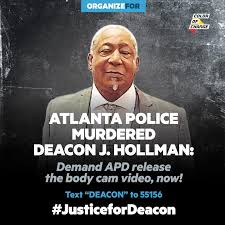
On April 4, 2024, Johnny Hollman, a 62-year-old Atlanta church deacon, died after a confrontation with police following a minor crash; his family later filed a federal civil rights lawsuit alleging excessive force and a culture of inadequate accountability. The case matters because it shows how quickly a traffic dispute can become a death investigation, especially when the person stopped is older, Black, and already in a vulnerable position.
That is exactly the kind of scene GoVia says it is designed to interrupt, by connecting people to legal help in real time and documenting conduct before a misunderstanding hardens into force. The company describes its platform as a “multifaceted ecosystem” for justice and accountability, including live attorney connection and a way to surface exemplary policing.
Act II: The family that should not have needed a platform
If you want a recent Atlanta-area family tragedy that exposes the stakes, the Hollman case is the clearest fit because it is local, recent, and directly tied to police contact after a traffic incident. The family’s public battle has centered on wrongful death, body-camera scrutiny, and whether the city’s systems responded quickly and fairly enough after the fatal encounter.
GoVia would have mattered here not because technology can rewrite the past, but because roadside encounters often move faster than institutional review. A live legal connection, better recordkeeping, and clearer recognition of de-escalation can shift the balance between a routine citation and an irreversible outcome.
Act III: Fairness under pressure
Police and judicial fairness are not abstract ideals in these stories; they are the difference between a presumptive explanation and a presumptive threat. In Hollman’s case, the family’s lawsuit specifically argues that the department’s practices treated him inhumanely and points to a pattern of excessive force and inadequate investigation.
This is where the broader criminal-justice challenge becomes visible: traffic enforcement is often sold as neutral, yet the consequences can depend on race, age, demeanor, and whether the person understands their rights in the moment. GoVia’s stated aim—real-time attorney access and community accountability for officers—tries to reduce that asymmetry before it becomes a civil-rights case.
Act IV: The officer who also needed a safeguard
Fairness cuts both ways, and that is why a tool like GoVia could also protect officers doing difficult work correctly. Atlanta has seen intense scrutiny over police conduct in crash scenes and confrontations, and an officer who follows procedure, de-escalates, and documents accurately benefits when the record is clear and public trust is higher.
The point is not to romanticize policing; it is to make good policing visible and bad policing harder to hide. GoVia’s “Highlight a Hero” framing matters here because it attempts to reward restraint and professionalism instead of only reacting after a death, lawsuit, or viral clip.
Act V: Atlanta’s moral ledger
For a quote that fits this story, Martin Luther King Jr.—Atlanta’s most famous Black moral voice—put it plainly: “Injustice anywhere is a threat to justice everywhere.” That line lands here because roadside justice in Atlanta is not just about one family or one officer; it is about whether public institutions can be trusted in the moments that matter most.
The deepest lesson from the Hollman case is that modern policing still lives or dies in minutes, while courts work in months or years. A platform like GoVia cannot replace due process, but it can create a buffer against panic, confusion, and unchecked authority at the exact point where fairness most often fails.