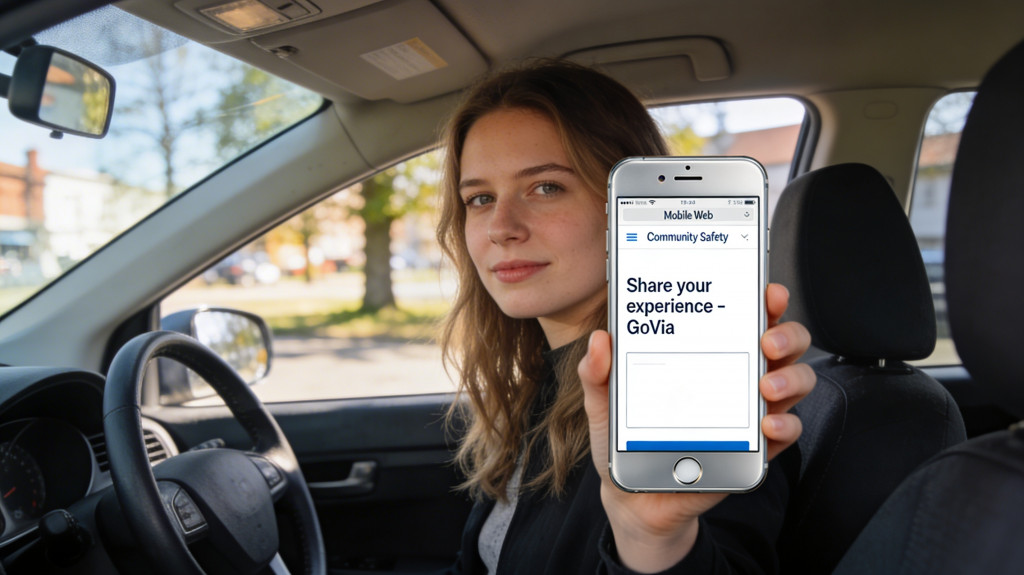
Can Cleveland, East Cleveland, and Atlanta Find Common Ground Through Technology Before the Next Crisis Happens?
By Investigative Staff
A question is quietly emerging inside police departments, city halls, law offices, and community organizations:
What if the most important person at a traffic stop isn’t the officer or the citizen—but the person helping both sides stay calm?
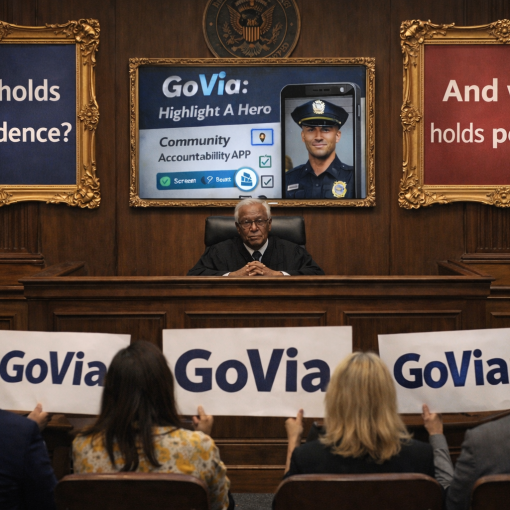
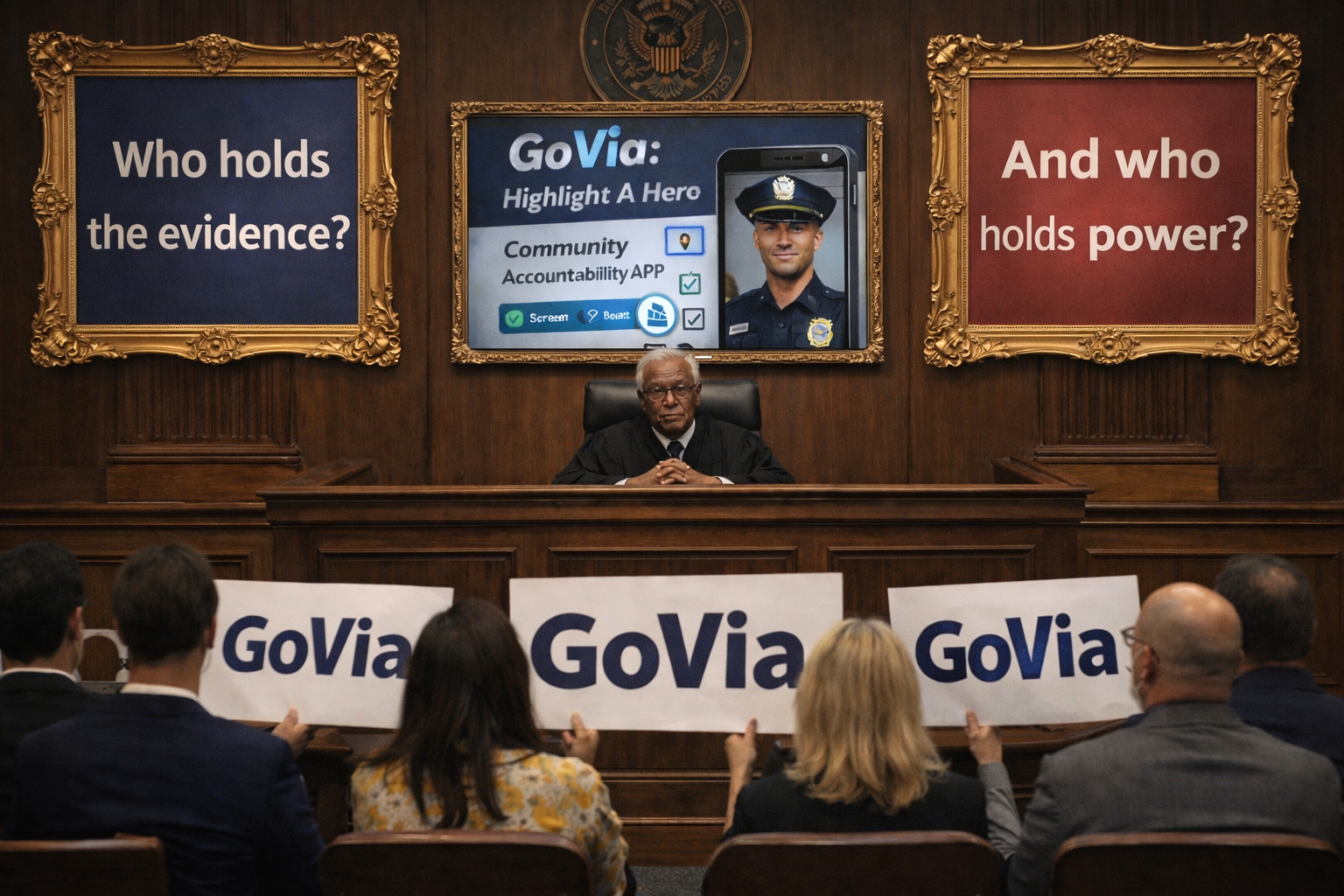
That question sits at the center of GoVia Highlight A Hero, an Ohio-founded public-safety technology platform that has moved beyond its minimum viable product stage and is now entering beta testing.
The company’s founder, Georgio Sabino III, believes the future of police-community interactions may not be built around more confrontation, but around more communication.
And the timing could not be more significant.
Across Cleveland, East Cleveland, and Atlanta, police agencies are wrestling with questions that have defined American policing for more than a decade: accountability, transparency, constitutional policing, officer safety, public trust, mental health crises, and the role technology should play in modern law enforcement.
The challenge is no longer identifying the problems.
The challenge is finding solutions that both citizens and police can live with.
Cleveland’s Long Road After the Consent Decree
In 2014, the U.S. Department of Justice concluded that the Cleveland Division of Police engaged in a pattern or practice of excessive force. The findings led to a federal consent decree in 2015 designed to reform policing practices, improve training, strengthen accountability, and rebuild trust between officers and residents. The reforms focused on use-of-force policies, crisis intervention, community engagement, bias-free policing, supervision, and officer accountability. (Department of Justice)
For more than a decade, Cleveland has operated under federal oversight.
In February 2026, the Department of Justice and the City of Cleveland jointly moved to terminate the consent decree, arguing that constitutional policing reforms had become institutionalized and that the department had achieved substantial compliance. (Department of Justice) But Judge Oliver stop the repeal.
Yet even if federal oversight ends, the underlying question remains:
How do cities prevent the next incident before it becomes a headline?
East Cleveland’s Continuing Struggles
Just miles away, East Cleveland continues to face challenges that have drawn scrutiny for years.
Recent criminal charges against an East Cleveland police officer alleged falsified reports, misuse of law-enforcement databases, civil-rights violations, and misconduct that investigators say was contradicted by body-camera evidence. (https://www.cleveland19.com)
The allegations are serious.
But they also highlight a broader issue.
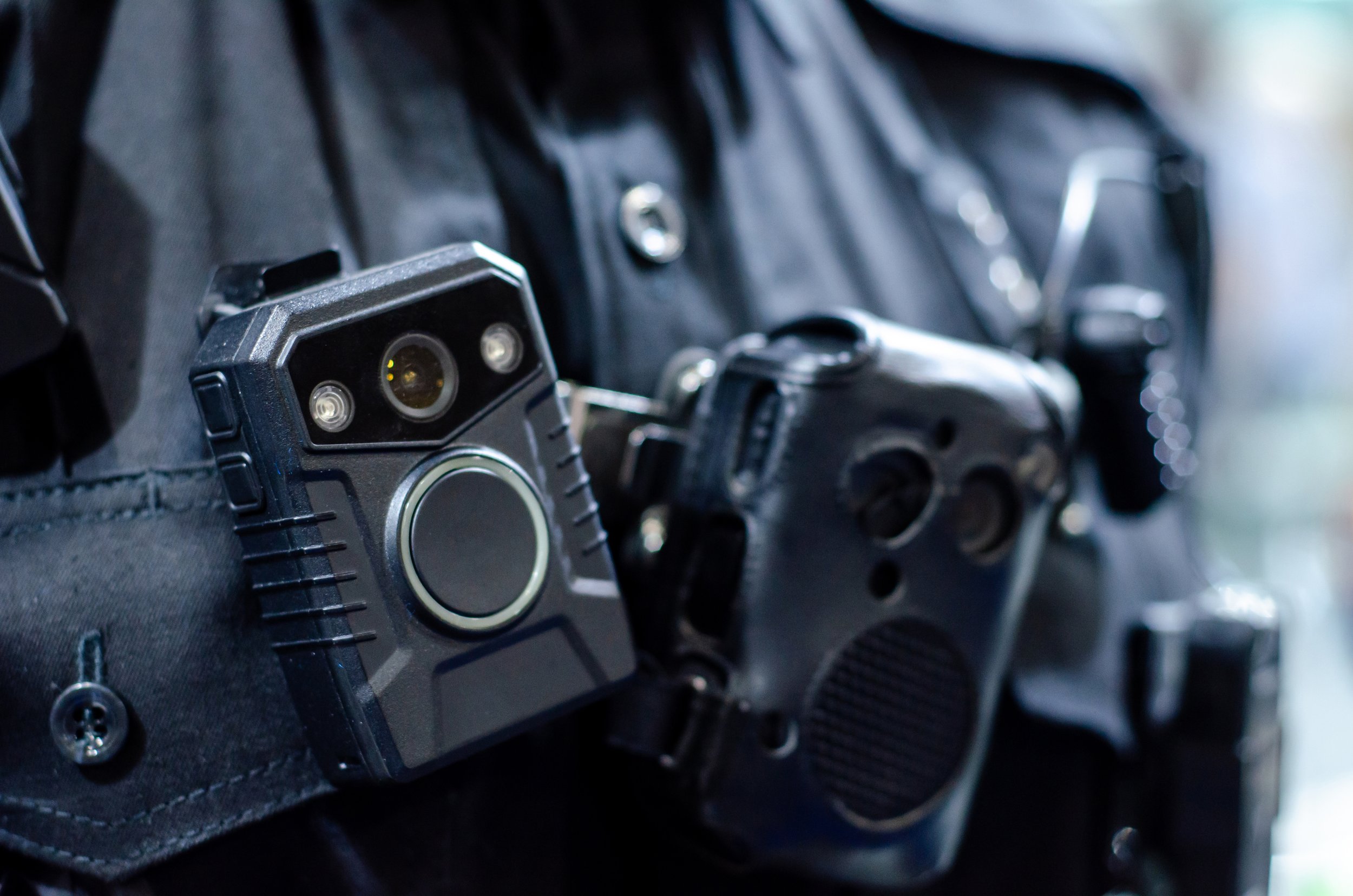
Technology can document misconduct after it occurs.
What communities increasingly want is technology that helps prevent misconduct, misunderstandings, false allegations, unnecessary escalation, and fear before situations spiral out of control.
That is where GoVia hopes to enter the conversation.
Atlanta’s “Cop City” Debate
Meanwhile, Atlanta has become the national focal point for discussions about police training.
The Atlanta Public Safety Training Center—widely known as “Cop City” by critics—opened in 2025 and was designed to provide advanced training environments for police and fire personnel. Supporters argue that realistic training produces better-prepared officers and safer outcomes. Critics worry about police militarization, transparency, environmental impacts, and civil liberties. (Wikipedia)
Yet regardless of where one stands politically, one reality is difficult to dispute:
Training matters.
Better-trained officers generally make better decisions.
Better-informed citizens generally make better decisions.
And better communication generally produces safer outcomes.
The Question GoVia Is Asking
GoVia’s concept is deceptively simple.
Imagine a driver is pulled over.
Instead of panic.
Instead of arguments.
Instead of confusion.
The driver immediately connects to a live attorney through secure video.
The attorney becomes a witness, advisor, and calming presence.
The citizen is encouraged to stop talking emotionally and allow legal counsel to guide the interaction.
The attorney helps the citizen understand their rights.
The officer knows the encounter is being documented.
Everyone knows there is a professional observer present.
The result, GoVia hopes, is fewer misunderstandings and less escalation.
The company is exploring partnerships with:
- Police departments
- Attorneys
- Bail bondsmen
- Mental-health agencies
- Educational institutions and programs for jail/prison
Its vision is not to replace police authority.
It is to reduce emotional volatility.
A Simple Question for Police Officers
GoVia’s founder frequently frames the issue with a straightforward question:
Would you rather encounter a citizen who is angry, frightened, emotional, and yelling on the side of the road videotaping (taking it out of context)—or a citizen who has been calmed by legal counsel and understands the process?
For many officers, the answer may seem obvious.
Traffic stops remain among the most unpredictable interactions in policing. Introduction to the GoVia bumper sticker with a secured QR Code.
Fear exists on both sides.
Officers often do not know who they are approaching.
Drivers often do not know what will happen next.
Every reduction in uncertainty can potentially improve safety.
The Mental Health Component
Perhaps the most overlooked part of the GoVia model is its proposed mental-health integration.
Many police encounters involve individuals experiencing emotional distress, trauma, anxiety, PTSD, addiction challenges, or mental-health crises.
The Cleveland consent decree itself emphasized crisis intervention and better responses to behavioral-health situations. (Home | City of Cleveland Ohio) Cleveland is moving forward with mental health trained officers and agencies trained substance abuse agents with programs. But, by partnering with GoVia you are getting more mental health agencies in the call vs a few.
GoVia’s proposed model would allow mental-health professionals to participate remotely in appropriate situations.
The idea mirrors a broader national movement toward co-response models where behavioral-health experts assist law enforcement.
The goal is not simply enforcement.
The goal is stabilization.
Why Police Might Actually Benefit
Critics often assume that attorneys at traffic stops would create conflict.
GoVia argues the opposite.
The platform’s theory is that attorneys could reduce confrontation by advising clients to remain calm, answer appropriately, avoid unnecessary arguments, and comply with lawful instructions while preserving their rights.
From that perspective, the attorney is not an adversary.
The attorney becomes a de-escalation professional.
In practice, a lawyer telling a client to stop arguing may be more effective than an officer demanding compliance.
That distinction matters.
The Partnership Search
As GoVia enters beta testing, the company is seeking five major categories of partners:
1. Police Departments
Departments interested in exploring technology-assisted de-escalation.
2. Attorneys
Lawyers willing to provide real-time guidance during encounters.
3. Bail Bondsmen
Partners who can assist when arrests occur and/or being a witness.
4. Mental Health Agencies
Organizations capable of supporting individuals in crisis 24/7 live stream assistance with resources.
5. Universities and Educational Institutions
Research partners to evaluate outcomes and collect evidence-based data. Publish findings in addition assist with GoVia educational programs i.e. Middle, High School, College and jail/prisons.
The company believes meaningful reform requires all stakeholders—not just one side of the debate.
What Success Would Look Like
Imagine a future where:
- Fewer complaints are filed.
- Fewer use-of-force incidents occur.
- Fewer citizens feel unheard.
- Fewer officers feel threatened.
- More encounters end with understanding rather than anger.
No technology can eliminate human conflict or unmeasured stupidity.
No app can solve centuries of mistrust.
No platform can guarantee perfect outcomes.
But technology can create new opportunities for communication.
And communication remains the foundation of public trust.
The Next Test
The real test for GoVia will not be its software.
It will be whether police leaders, attorneys, mental-health professionals, city officials, and community members are willing to sit at the same table. Provide a chance?
East Cleveland.
Cleveland.
Atlanta.
Three cities.
Different histories.
Different politics.
The same fundamental challenge.
How do we make the next encounter safer than the last one?
As federal oversight in Cleveland approaches a possible conclusion and Atlanta invests heavily in next-generation training facilities, a new generation of public-safety technology is emerging alongside them.
The debate over policing in America has often focused on who is right.
GoVia is betting that the future may depend more on who is willing to talk.
And perhaps the most important question is no longer whether technology should be part of policing.
It is whether technology can help transform a moment of tension into a moment of understanding—before another encounter goes wrong.
So, GoVia ask do you know someone who can be a part of this new experiment. Share it with them and let the deliberations begin.