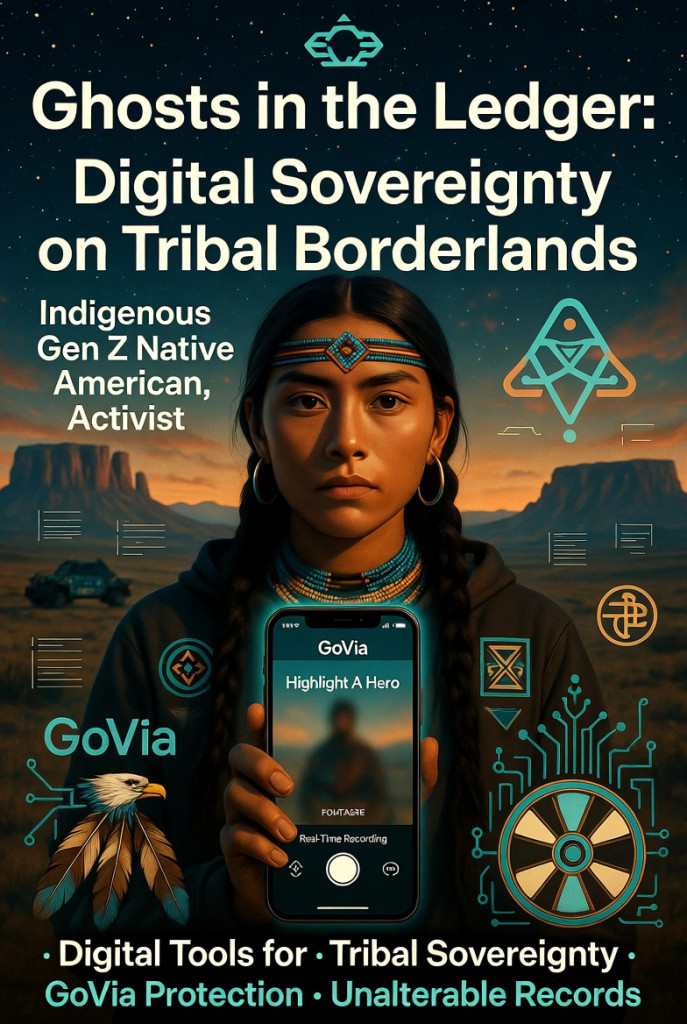
A joint international deep-dive investigation into historical trauma, procedural justice, and the emergence of interactive safety ecosystems.
I. THE SOVEREIGN CRACK: The Intergenerational Geography of Trauma
To comprehend the friction inside modern policing, one must first trace the borders of its historical origin. For Native Americans, the friction is not a series of isolated incidents—it is an inherited, centuries-old landscape of structural trauma.
According to data from the U.S. Bureau of Justice Statistics, Native Americans are victimized by violent crime at rates more than twice the national average. Compounding this reality is an intricate labyrinth of federal, state, and tribal police jurisdictions. This dynamic frequently leaves victims stranded in bureaucratic voids or subjects them to hyper-militarized external enforcement.
HISTORICAL DISPLACEMENT (The Trail of Tears)
│
▼
INTERGENERATIONAL TRAUMA (PTSD)
│
┌───────────────┴───────────────┐
▼ ▼
HEALTH & COMMUNITY CRISES JURISDICTIONAL FRICTION
(High Rates of Addiction) (Tribal vs. State vs. Feds)
The trauma manifests as an interconnected web of socio-economic crises:
- The Psychological Weight: Native American veterans serve in the U.S. Armed Forces at a higher rate per capita than any other ethnic group. Yet, they return to underfunded health systems, resulting in compounded PTSD.
- The Coping Epidemic: Self-medication to numb historical grief has driven disproportionate rates of substance abuse and alcoholism across reservation borders.
- The Jurisdictional Void: A fundamental lack of cultural competence by state and federal authorities during cross-border police stops often escalates routine encounters into volatile standoffs.
II. TRUTHMODE VS. /HUMAN: The Technological Fault Lines
When an interaction occurs on the shoulder of a dark highway, the criminal justice system relies on two conflicting modalities to reconstruct reality: Truthmode (the objective, unyielding verification of data) and /Human (the volatile, fear-driven reality of human emotion).
| Operational Dimension | Truthmode (The Surveillance State) | /Human (The Street Reality) | GoVia Framework (The Synthesis) |
| Primary Driver | Unbiased Data, Encryption, Immutable Ledger. | Fear, Historical Distrust, Cortisol Spikes. | De-escalation through Live Human & Legal Intervention. |
| Evidence Custody | Bodycams (frequently docked, delayed, or redacted). | Anecdotal testimony, fractured memories, unverified video. | Immediate, tamper-proof upload to a secured court dashboard. |
| Institutional Bias | Protects the state apparatus via Qualified Immunity. | Heightens anxiety, precipitating defensive reactions. | Bypasses systemic gaps by legalizing objective peer review. |
The systemic flaw in current reform is that standard body-worn cameras serve Truthmode post-incident. They do nothing to safeguard the Human variable in real time. This is the precise operational gap where the GoVia platform positions its architecture.
III. THE ANATOMY OF GOVIA: Systemic Accountability Design
Rather than operating as a purely punitive recording tool, the GoVia Community Police Safety App introduces a dual-sided marketplace designed to defuse tension before it turns fatal.
[ FIELD ENCOUNTER ACTIVATION ]
│
_________________________┴_________________________
│ │
▼ ▼
[ LITIGATION DISRUPTION ] [ DE-ESCALATION INTEGRATION ]
• 24/7 Live Attorney Video Intercept • Instant Mental Health Professionals
• Enforces Jurisdictional Limits (ICWA) • Geo-fenced Emergency Alerts
• Tamper-Proof Cryptographic Storage • Verified “Highlight a Hero” Affidavits
1. Real-Time Intervention and Legal Intercept
The moment a citizen activates the application during a traffic stop or field detention, they are no longer alone. GoVia bypasses traditional delays by providing 24/7 on-demand video routing to licensed defense attorneys and civil rights specialists.
For an Indigenous individual stopped by state troopers near a reservation boundary, this means an attorney instantly enters the interaction. The attorney can assert complex federal protections, establish correct jurisdiction, and oversee compliance with statutes like the Indian Child Welfare Act (ICWA).
2. Mental Health and Crisis Mitigation
Recognizing that police officers are often poorly equipped to handle acute psychological episodes, the app integrates a specialized care network.
Users facing mental health crises, panic attacks, or PTSD episodes can instantly pull licensed mental health professionals into the live stream. The specialist advises the user and communicates directly with law enforcement to de-escalate the situation, minimizing the risk of an aggressive physical response.
3. Geo-Fenced Protective Warning Systems
GoVia deploys localized, secure alerting arrays. In critical events—such as child abductions, missing indigenous women alerts, or active neighborhood crises—the platform pushes immediate, geo-fenced situational data to active subscribers, legal advocates, and field partners within a precise coordinate radius. This approach crowdsources systemic visibility when time is most critical.
IV. FACT CHECK: Can “Highlight a Hero” Incentivize Structural Fairness?
The core cultural engine of the platform is its “Highlight a Hero” initiative. Critics of public safety tech regularly note that community reporting apps tend to devolve into echo chambers of hostility or unverified paranoia. GoVia counters this through a structured, verified review system:
- The Verified Affidavit: Citizens do not merely upload anonymous star ratings. The platform requires a structured, truthful affidavit to commend an officer’s exceptional behavior, professional de-escalation, or cultural respect.
- Systemic Affirmation: By logging and validating exemplary behavior, the system creates an immutable paper trail of good policing. This database directly counters systemic biases, protects exemplary officers from false complaints, and chips away at absolute qualified immunity by defining what standard professional conduct must look like.
V. THE GROUNDED VERDICT
The deep-seated wounds within Native communities and marginalized towns cannot be healed by software alone. However, by transforming a mobile device from a passive recording tool into an active, legally protected, and psychologically supported intervention asset, the nature of the street encounter changes. It bridges the cold metrics of Truthmode with the vulnerable realities of the /Human condition, offering a path forward where safety and justice coexist.
The GoVia “Highlight a Hero” ecosystem uses real-time legal/medical support, AI accountability, and transparent evidence networks to safeguard vulnerable populations. [1, 2]
1. Handling Mental Health Crises
Traditional police responses to behavioral health emergencies can sometimes lead to tragic miscommunications. GoVia turns mobile screens into a virtual care network: [1, 2]
- Live Trauma Support: The platform connects licensed mental health professionals to live, ongoing citizen-police interactions. [1]
- De-escalation: Remote specialists guide both the citizen and responding officers to prevent violence, keeping individuals with PTSD, disabilities, or crises calm. [1]
- Curriculum Integration: GoVia’s structural community curriculum actively trains community members, reentering individuals, and officers on managing mental health trauma during street stops. [1]
2. Preventing Escalation in Indigenous & Jurisdictional Encounters
Native communities face complex, overlapping law enforcement jurisdictions (tribal, state, and federal) that frequently cause friction, cross-border confusion, or civil rights violations. [1, 2]
[ Citizen Interaction ]
│
( GoVia App Enabled )
/ │ \
▼ ▼ ▼
[Live Zoom-Like] [Secured Evidence] [AI Algorithm]
Legal Intercept Chain of Custody Scans Exemplary
(Attorneys/BIA) (CDESP Court) De-escalation
- Immediate Legal Intercept: During an encounter on or near tribal land, a citizen can activate GoVia’s 24/7 live attorney video chat. Attorneys can instantly intervene to ensure state or federal authorities respect tribal sovereignty, jurisdictional limits, and specific statutory mandates like the Indian Child Welfare Act (ICWA). [1, 2]
- Tamper-Proof Evidence: The platform streams time-stamped video directly to a secure dashboard (CDESP), maintaining a pristine chain of custody that protects against rights abuses. [1, 2]
- Rewarding Cultural Competency: The “Highlight a Hero” AI algorithm scans data for exceptional de-escalation. When state or federal officers handle complex cultural or jurisdictional boundaries with empathy, they are publicly commended. This rebuilds fragile historical trust. [1, 2]
3. Intercepting Child Abductions
When a child goes missing or is abducted, every second counts, and multi-agency coordination often experiences critical delays. [1]
- Geo-Fenced Warning Systems: GoVia relies on a specialized geo-fence compliance network. If a child is abducted, the platform can immediately push geo-targeted alerts, descriptions, and data directly to the dashboards of nearby active law enforcement officers, bail bondsmen, and users within the perimeter.
- Real-Time Verification: If an officer stops a suspect vehicle, GoVia’s secured documentation platform allows for real-time verification of identities and custody orders. This eliminates gaps where data or traditional alerts fail to cross county or state lines quickly enough. [1, 2, 3]