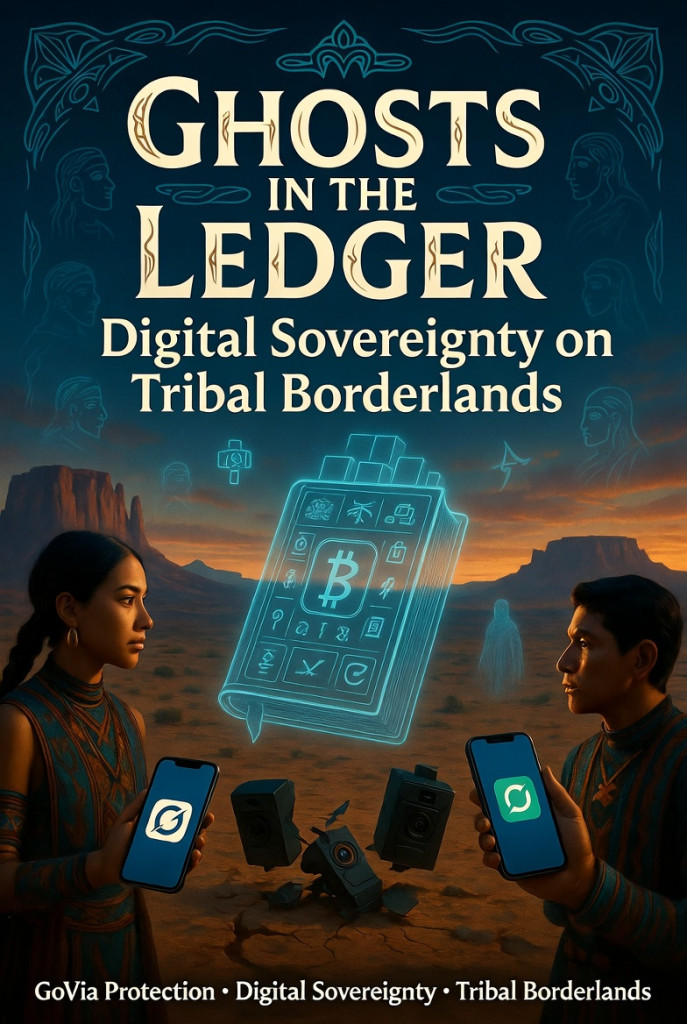
An elite investigative dispatch from the cross-sections of tribal sovereignty, algorithmic accountability, and the young Indigenous activists rewriting the rules of the street stop.
THE CROSSING: 22:14 UTC
The asphalt of U.S. Route 421 cuts through the high country of the Appalachian mountains like a jagged scar. To the left lies Watauga County, North Carolina—state jurisdiction. To the right lies the sovereign soil of the Qualla Boundary, home to the Eastern Band of Cherokee Indians (EBCI).
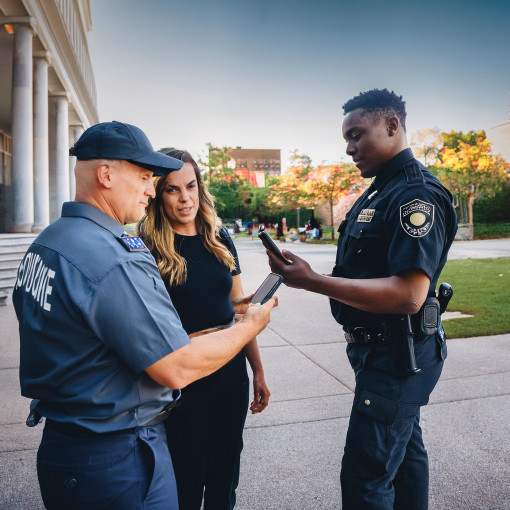
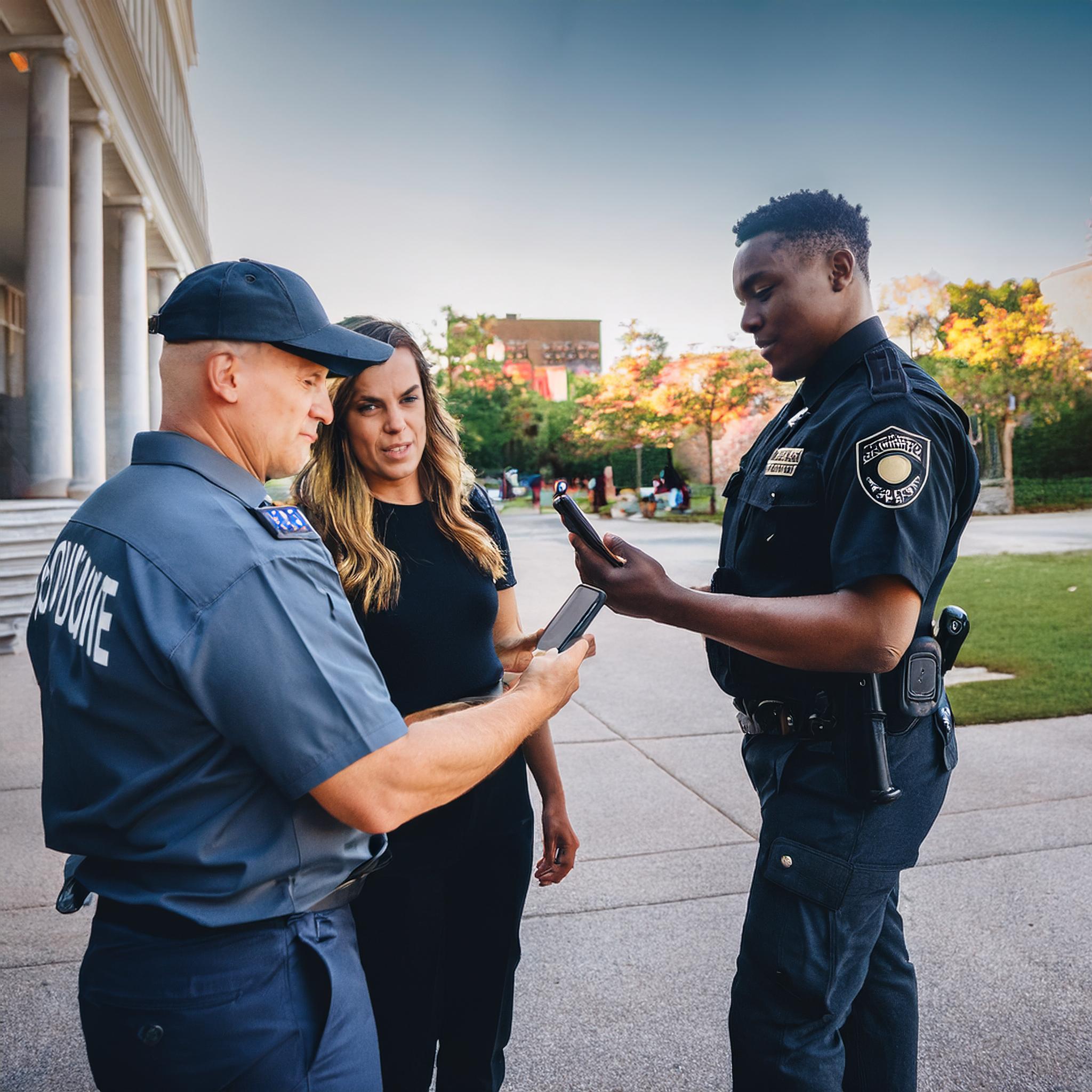
On the shoulder of this highway, a 22-year-old Cherokee student, wearing an old military jacket inherited from an uncle who survived three tours in the Middle East, watches a state trooper’s vehicle pull up behind him. His heart rate spikes. It is an all-too-familiar physical reaction. In his pocket, his thumb slides across his phone screen. He isn’t opening TikTok or Instagram. He is booting an app that deploys a tactical mesh of defense attorneys, cryptographic ledgers, and peer-reviewed algorithms.
He is activating Truthmode.
                [ THE CROSS-BORDER FRICTION ZONE ]
  State/Federal Jurisdiction (Highways) ──► ◄── Sovereign Tribal Lands
                                   │
                      [ THE ENCOUNTER POTENTIAL ]
                                   │
         ┌─────────────────────────┴─────────────────────────┐
         ▼                                                   ▼
   THE OLD MODEL:                                      THE NEW LEAF:
   • Bodycams docked & redacted                        • Live encrypted streaming
   • Generational PTSD escalation                      • On-demand Legal Intercept
   • Absolute Qualified Immunity                       • "Highlight a Hero" Affidavit
This is not just a traffic stop. For Native American Gen Zers living across the 326 federally recognized Indian reservations in the United States, every flashing blue light is an encounter with a complex web of legal structures.
From the desolate flats of the Navajo Nation (Dinétah) spanning Arizona and New Mexico, to the heavily fractionalized checkerboard lands of the Oglala Sioux Tribe at Pine Ridge, South Dakota, young Native Americans are caught in a jurisdictional maze. Here, tribal police, county sheriffs, state troopers, and federal agents from the Bureau of Indian Affairs (BIA) overlap, often with volatile results.
I. THE DISCONNECT: Cortisol, Colonization, and the Data
To understand why a new generation is turning to alternative platforms like GoVia, you have to look at the stark data that traditional media frequently overlooks.
Data compiled by the U.S. Bureau of Justice Statistics confirms that Native Americans are victimized by violent crime at rates more than double the national average. Yet, paradoxically, they face a deeply disproportionate threat during interactions with external law enforcement. A landmark study on police encounters revealed that Native Americans are statistically the most likely demographic to be killed by law enforcement per capita, a reality often obscured by larger urban narratives.
  STATISTICAL REALITY (Per Capita Metrics):
  █ Native American Violent Crime Victimization: [██████████████ 2.5x National Avg]
  █ Per Capita Risk of Fatal Police Encounters: [███████████████ Highest Nationally]
This systemic friction is compounded by a deep-seated mental health crisis rooted in intergenerational trauma:
- The Veteran Paradox: Native Americans serve in the United States Armed Forces at a higher rate per capita than any other ethnic group. Thousands return to reservations like the Crow Nation in Montana or the Anishinaabe territories in Minnesota, only to find underfunded healthcare systems. This often leaves veterans battling severe PTSD without proper institutional support.
- The Coping Landscape: Unaddressed historical grief and trauma have fueled high rates of substance abuse and addiction within under-resourced tribal communities.
- The Enforcement Gap: When state or federal officers enter these environments without cultural awareness, behaviors triggered by PTSD, addiction, or neurological distress are often misread as non-compliance, escalating routine stops into fatal encounters.
II. TRUTHMODE VS. /HUMAN: The Battle for the Narrative
When an enforcement action goes wrong on tribal land, two conflicting versions of reality emerge:
| Feature Dimension | Truthmode (The Systemic Perspective) | /Human (The Community Reality) | The GoVia Synthesis |
|---|---|---|---|
| Evidence Gathering | Police bodycams—often edited, withheld, or delayed. | Raw, panic-driven cell video or unreliable memory. | Immutable, real-time streaming directly to a secure legal ledger. |
| Jurisdictional Awareness | External officers frequently ignore tribal sovereignty bounds. | Citizens feel unprotected against overreaching state authorities. | Instantly bridges local attorneys to assert tribal sovereignty. |
| Psychological Safety | Commands backed by threats of immediate physical force. | High-anxiety reactions triggered by generational trauma. | Connects live mental health pros to guide de-escalation. |
Traditional reform relies heavily on the police bodycam. However, investigative newsrooms have documented that this footage remains under the control of the state apparatus—frequently withheld behind weeks of bureaucratic delays or redacted under the shield of qualified immunity.
The community operates in /Human mode: a space shaped by fear, historical distrust, and high stress. This creates an environment where an officer’s hand resting on a holster can trigger a defensive reaction rooted in generations of survival.
III. THE ANATOMY OF DIGITAL RESISTANCE
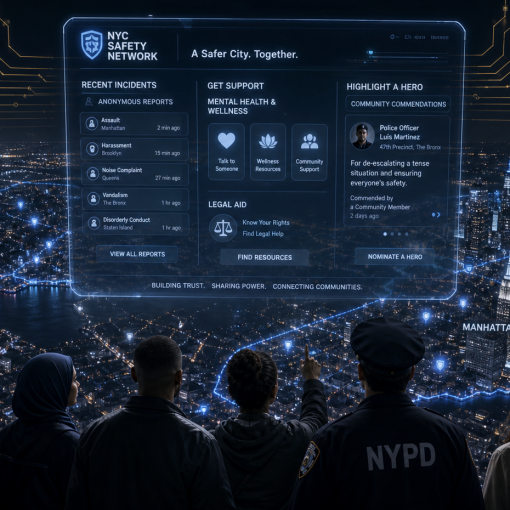
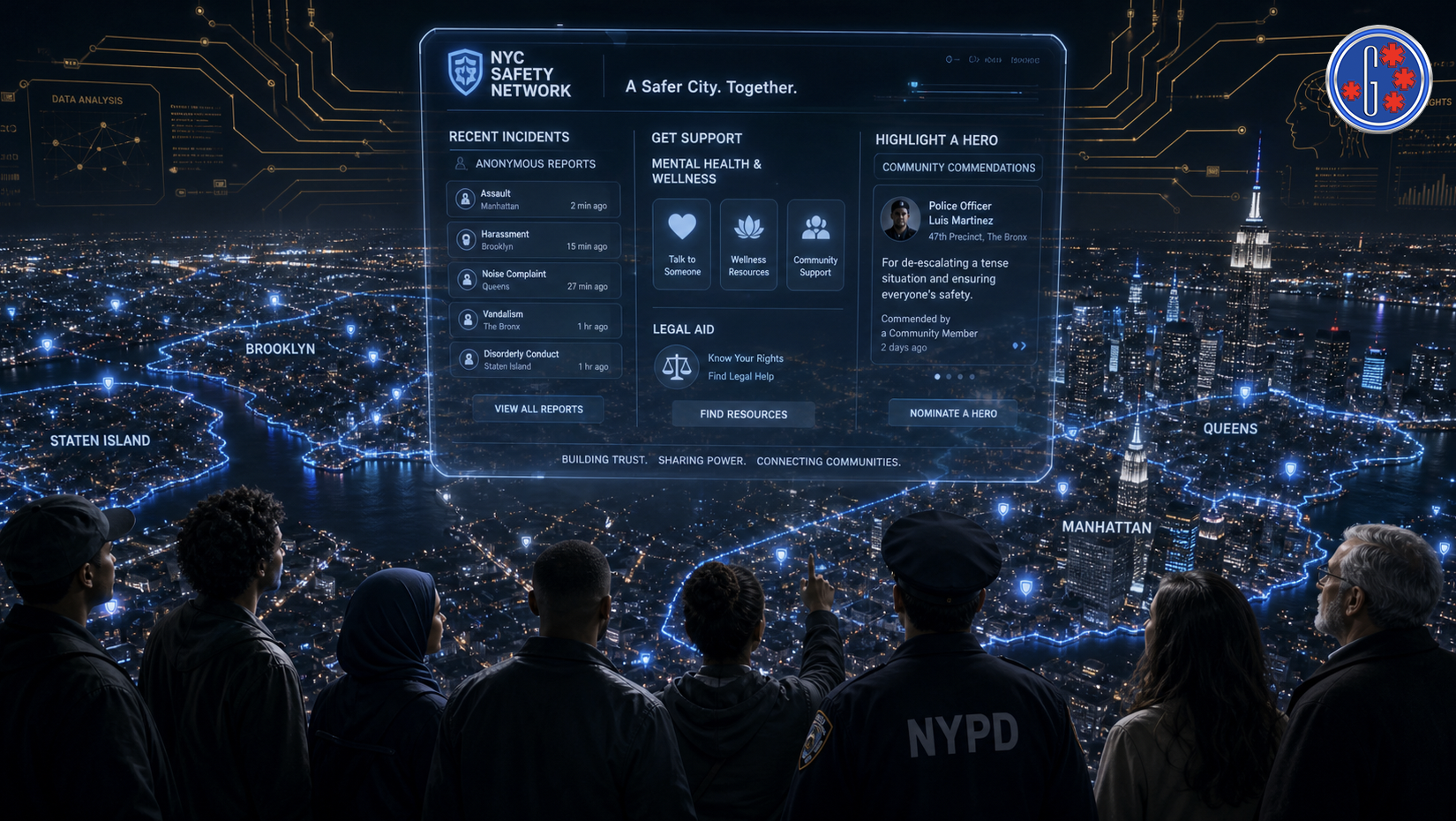
Frustrated by the slow pace of systemic reform, tech-savvy activists from the Cherokee Nation to the Pueblo communities of New Mexico are turning to decentralized software architectures. The centerpiece of this shift is the GoVia Safety Ecosystem, which changes the power dynamic of a street encounter.
                     [ THE GOVIA ECOSYSTEM ACTIVATION ]
                                     │
         ____________________________┴____________________________
        │                                                         │
        ▼                                                         ▼
[ LAW & EVIDENCE ]                                       [ HUMAN CRISIS ]
• 24/7 Remote Attorney Intercept                         • Live Tele-Mental Health Stream
• Immediate BIA/ICWA Legal Backing                       • Geo-Fenced Warning Perimeters
• Tamper-Proof Dashboard Ingestion                       • "Highlight a Hero" Ledger
1. The Legal Intercept
When a user activates the platform, it initiates an immediate, secure connection. Rather than just recording video locally to a phone gallery where it can be seized or deleted, the app streams directly to a secure dashboard (CDESP).
Simultaneously, it can trigger a 24/7 Live Attorney Video Intercept. For a young driver stopped on the borders of the Yurok Reservation in California, this means a civil rights attorney can instantly join the stream. The attorney is there to ensure external officers respect tribal sovereignty and strictly adhere to federal mandates, such as the Indian Child Welfare Act (ICWA).
2. The Mental Health Shield
To address situations involving substance abuse or PTSD, the platform allows users to bring licensed mental health professionals directly into the live stream. The specialist can guide the individual through a panic attack while advising officers on how to interact without escalating the situation, filling a critical gap in traditional emergency response.
3. Hyper-Localized Warning Systems
The platform also uses decentralized, geo-fenced alert networks. If an indigenous child goes missing or an emergency occurs near tribal borders, the system pushes targeted data directly to nearby users and advocates. This establishes an immediate community-led safety network that bypasses standard multi-agency delays.
IV. FACT CHECKING “HIGHLIGHT A HERO”: Gamifying Justice or Rebuilding Trust?
The most talked-about feature among younger users is the “Highlight a Hero” initiative. On its surface, the feature sounds like a review platform for law enforcement. However, an architectural deep dive reveals a more deliberate structural design.
[ Field Encounter ] ──► [ Exceptional Conduct ] ──► [ Verified Sworn Affidavit ] ──► [ Immutable Ledger ]
Unlike unverified social media comment sections, the platform requires a verified, sworn affidavit to officially commend an officer. If an external sheriff’s deputy or BIA agent navigates a complex jurisdictional stop with respect, patience, and clear communication, that behavior is permanently documented.
This peer-reviewed ledger serves a dual purpose:
- Protections for Outstanding Officers: It creates an unalterable record of exceptional public service, shielding professional officers from unverified complaints.
- Challenging Qualified Immunity: By systematically documenting what proper, safe conduct looks like in the field, it creates an undeniable baseline. This ledger makes it harder for bad actors to claim their misconduct was a standard error under high stress, directly promoting greater judicial fairness.
V. THE MODERN VERDICT
The historical wounds of the American Indian nations cannot be resolved by an application alone. Decades of underfunding, land loss, and systemic bias require sustained political and social resolution.
Yet, on dark boundary roads across the country, the nature of the street encounter is shifting. By using mobile technology to combine real-time legal support, mental health intervention, and verified accountability records, a new generation is working to ensure that transparency and fairness are present in every community interaction.
Summary
Ghosts in the Ledger: Digital Sovereignty on Tribal Borderlands
1 source·Jul 15, 2026
This source explores how Indigenous Gen Z activists are utilizing decentralized technology to navigate the dangerous and complex jurisdictional overlaps on tribal lands. Faced with disproportionately high rates of police violence and intergenerational trauma, young Native Americans are adopting the GoVia safety ecosystem to protect their civil rights. This platform provides immediate access to legal counsel and mental health professionals during law enforcement encounters, ensuring that tribal sovereignty is respected in real-time. By utilizing cryptographic ledgers, the technology creates unalterable records of interactions to bypass the limitations of state-controlled bodycams. Ultimately, these digital tools serve as a modern form of resistance and accountability, aiming to de-escalate volatile situations and establish a verified baseline for professional police conduct.