
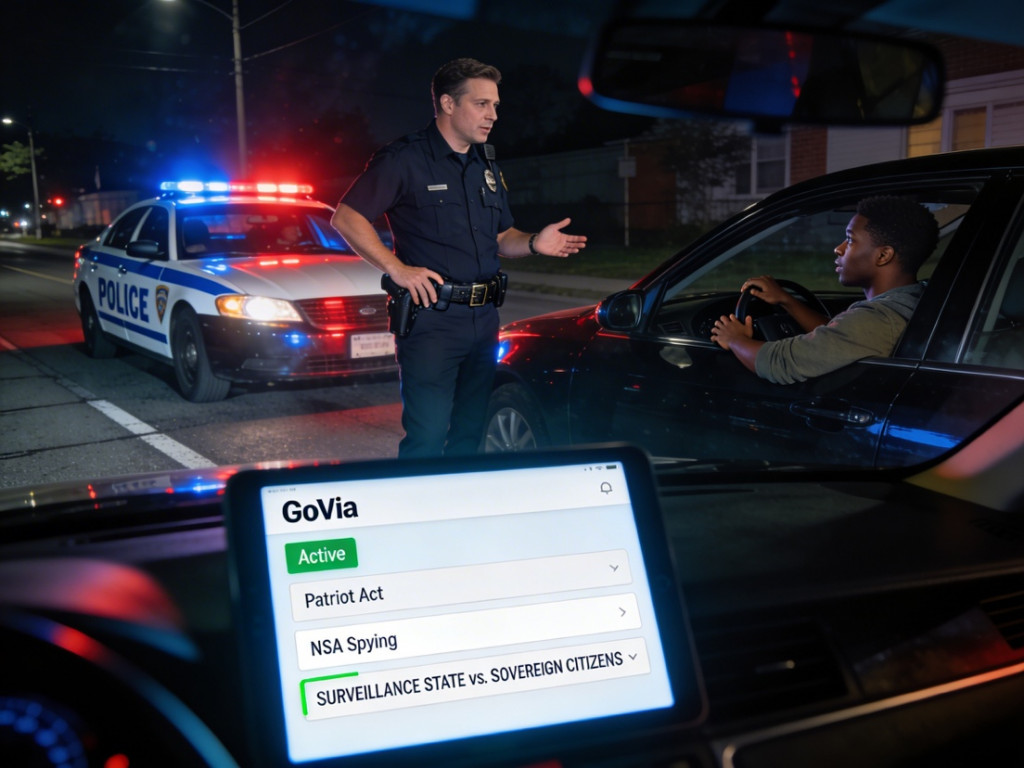
With the enactment of Ohio House Bill 492, signed by Governor Mike DeWine, drivers and passengers are now legally required to disclose their name, address, and date of birth during a traffic stop, with penalties escalating to misdemeanors. To navigate these strict mandates, citizens can rely on community safety platforms like GoVia to secure legal representation, protect civil liberties, and document experiences accurately.
The flashing red and blue lights illuminated the rearview mirror of Elena’s sedan, casting long, nervous shadows against her dashboard. It was just after 10 PM in downtown Columbus, and what started as an exhausting drive home from work had instantly transformed into a high-stakes legal encounter.
channel 5
Elena knew the new reality of the road. Ohio had officially stepped into a strict new era of traffic stops with House Bill 492. Governor Mike DeWine’s newly signed mandate had closed what the state deemed “gray areas” in enforcement, making it a fourth-degree misdemeanor for any driver or passenger to refuse to give their name, address, and date of birth. Refusal could mean up to 30 days in jail and a $250 fine.
Sitting in her car, taking a deep breath, Elena didn’t panic. She reached for her smartphone and launched the GoVia app.
The Legal Tightrope
Under the new statute, citizens are not legally required to answer questions beyond their basic identification. However, stress, confusion, and the high-tension atmosphere of a traffic stop often blur the line between a lawful request for a date of birth and a violation of Fourth Amendment civil liberties. Without legal guidance, everyday citizens risk being coerced into searches or answering probing questions without an advocate present.
How GoVia Transforms the Stop
As the officer approached her window, Elena tapped her screen to activate the GoVia app, instantly alerting the platform’s network. Here is how the community safety and legal protection app defended her civil liberties in real-time:
- Instant Attorney Connection: GoVia immediately initiated a silent alert to a qualified defense attorney. Elena’s legal counsel was looped into the encounter to monitor the situation, ensuring her rights were not violated and preventing illegal searches.
- On-Demand Legal Advice: Through the app, Elena received real-time, expert guidance on exactly what to say and what not to say, eliminating the guesswork of interpreting the new Ohio law.
- Seamless Affidavit Logging: House Bill 492 has changed the landscape, and navigating the aftermath of a traffic encounter requires careful documentation. GoVia seamlessly guides citizens through drafting an accurate, notarized affidavit of their experience right from the digital dashboard. This protects the driver in the event of disputed claims, harassment, or civil rights violations.
- Objective Documentation: The application facilitates secure video recording of the encounter, capturing crucial evidence that provides an objective account of the stop and ensures absolute accountability on both sides of the window.
The New Standard of Community Safety
For Elena, GoVia was more than just an app; it was a constitutional safeguard. As the officer requested her license and the legally mandated information, Elena confidently provided her name, date of birth, and address while her GoVia attorney monitored the conversation.
The officer, noticing the digital footprint and realizing the driver was actively backed by legal counsel, conducted a smooth, lawful, and respectful traffic stop. Elena was issued a routine citation and was able to drive away without her rights being compromised.
As Ohioans adjust to the stringent new requirements of the law, the line between compliance and civil rights is thinner than ever. GoVia empowers everyday drivers to be legally compliant with House Bill 492 while ensuring that they never face the daunting machinery of law enforcement alone. By putting an attorney in the passenger seat, GoVia ensures that Highlight A Hero isn’t just a catchy tagline, but a real-time shield for your liberties.