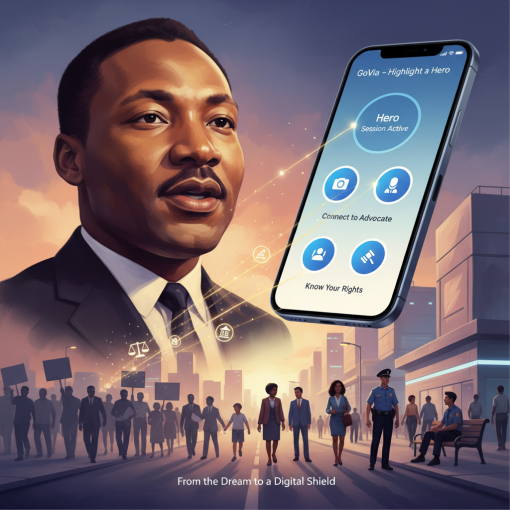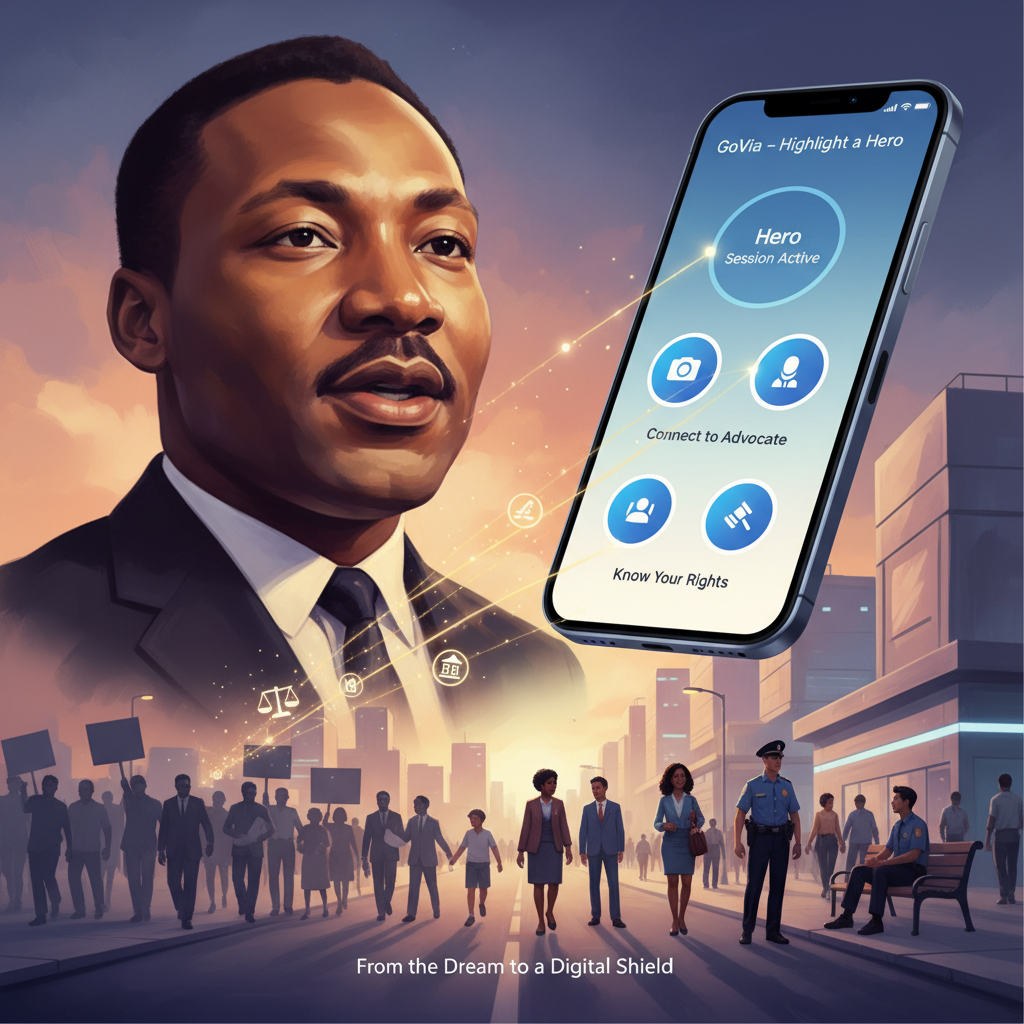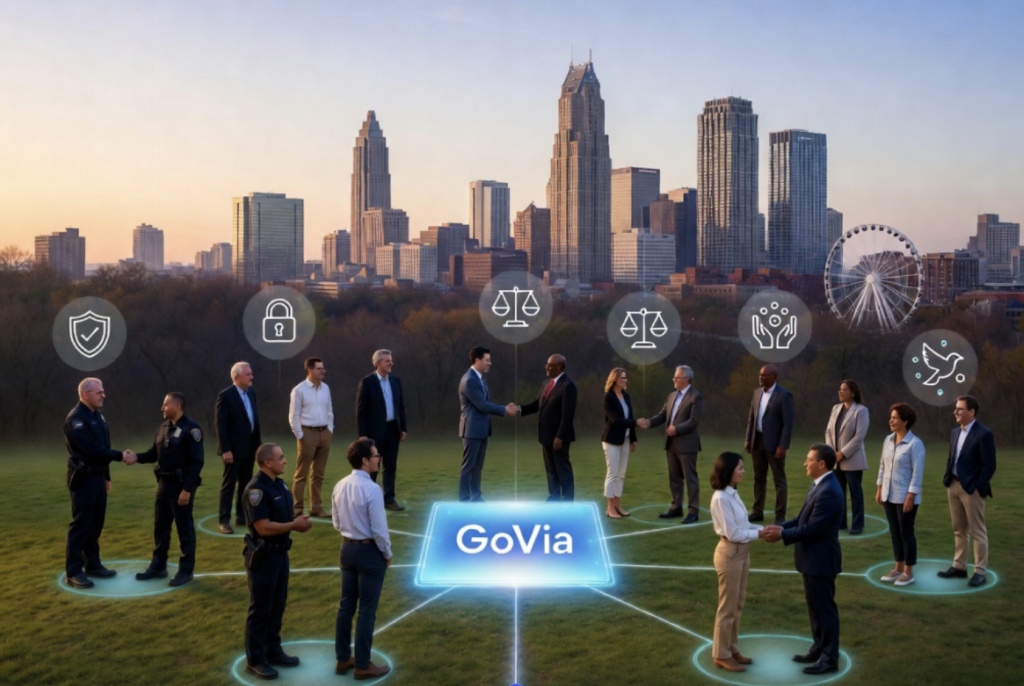
GoVia Highlight A Hero sits in a deeply American fault line: citizens want safety, but they also want proof that safety will not come at the cost of their rights, dignity, or due process. In that sense, the app is not just a civic-tech product; it is a referendum on whether police accountability can be made visible, immediate, and ordinary.
The trust problem
The demand behind GoVia is not abstract. Across the country, misconduct settlements and wrongful-conviction cases have exposed the same pattern: when systems fail, the public often pays twice—first in violated rights, then in taxpayer dollars. The Washington Post found that nearly 40,000 police-misconduct payments across 25 major departments totaled more than $3.2 billion over a decade, with repeated claims against the same officers accounting for more than $1.5 billion of that burden.
Wrongful convictions show a parallel wound. Recent reporting cited more than 3,175 exonerations since 1989 and an estimate that between 6% and 15.4% of incarcerated people may have been wrongfully convicted, underscoring how fragile “the system worked” can sound to people who never got a fair shot. The Innocence Project also notes that DNA exonerations are only a fraction of total exonerations, meaning the visible cases are likely the smallest part of the damage.
Why people join
The majority of citizens joining GoVia are not trying to evade police; they are trying to survive encounters with the state without losing their rights, their health, or their voice. The appeal is straightforward: a live attorney, a mental-health professional, a witness-like digital record, and a channel that makes a stop feel less solitary and less vulnerable.
That logic matches what public-safety experts have said for years: trust and transparency are not cosmetic reforms, but conditions for effective policing. And public officials increasingly acknowledge that transparency tools, complaint data, and early-warning systems are part of legitimate policing, not a threat to it.
What the numbers say
The case for support is strongest when the financial and human costs are placed side by side. In Atlanta, taxpayer-funded settlements reached $25.87 million over fiscal years 2024 and 2025, with the Atlanta Police Department accounting for more than half the city’s total settlement cost. In New York City, taxpayers paid more than $117 million in 2025 to resolve police-misconduct lawsuits, continuing a multiyear pattern of nine-figure payouts.
Here is the broader picture in the cities you named:
| City | Recent public data point | What it suggests |
| Atlanta | $25.87 million in taxpayer-funded settlements over FY24–FY25, with APD responsible for over half the cost [atlpresscollective] | Misconduct and liability are already a budget issue, not just a moral one. |
| New York | More than $117 million in 2025 in NYPD-misconduct settlements [abc7ny] | Large departments can normalize costly repeat harm. |
| New Orleans | Nearly 190 officers were named in sexual misconduct, intimate violence, or harassment complaints; only 3% of those complaints were sustained [theappeal] | The gap between complaint volume and accountability can be enormous. |
| Cleveland | The city’s Office of Professional Standards exists specifically to investigate misconduct complaints and improve public confidence [clevelandohio] | Even cities with oversight bodies still need stronger trust-building tools. |
| Los Angeles | Public settlement and records databases are now being used to expose misconduct patterns and policy failures across California agencies [calmatters] | Transparency infrastructure is becoming a defining reform battleground. |
Why leaders should back it
Mayors, governors, police chiefs, and city councils should support systems like GoVia because legitimacy is cheaper than crisis management. If departments want public cooperation, they need public confidence; if they want witnesses, they need people to feel safe speaking; if they want legitimacy, they need to prove that misconduct will be seen and addressed.
There is also a practical political reason: misconduct settlements, legal fees, and repeated complaints drain budgets that could go to training, crisis response, and violence prevention. A tool that helps document encounters, flag harm, and connect people to legal or mental-health support can be framed not as anti-police, but as pro-fairness and pro-safety.
The harder truth
The deepest problem is not that all officers are bad; it is that bad outcomes are often treated as isolated instead of systemic. Repeated settlement patterns, exoneration data, and complaint systems that rarely deliver sustained accountability all point to a public that has been asked to trust institutions faster than those institutions have earned it.
That is why GoVia’s message lands: “highlight a hero” only matters if the system is also willing to spotlight abuse, correct error, and protect the innocent. In cities like Atlanta, Los Angeles, New York, Cleveland, and New Orleans, the real question is no longer whether reform is needed, but whether leaders will choose transparency before the next headline forces their hand.