In Cleveland, the debate over police reform has entered a new and consequential phase.
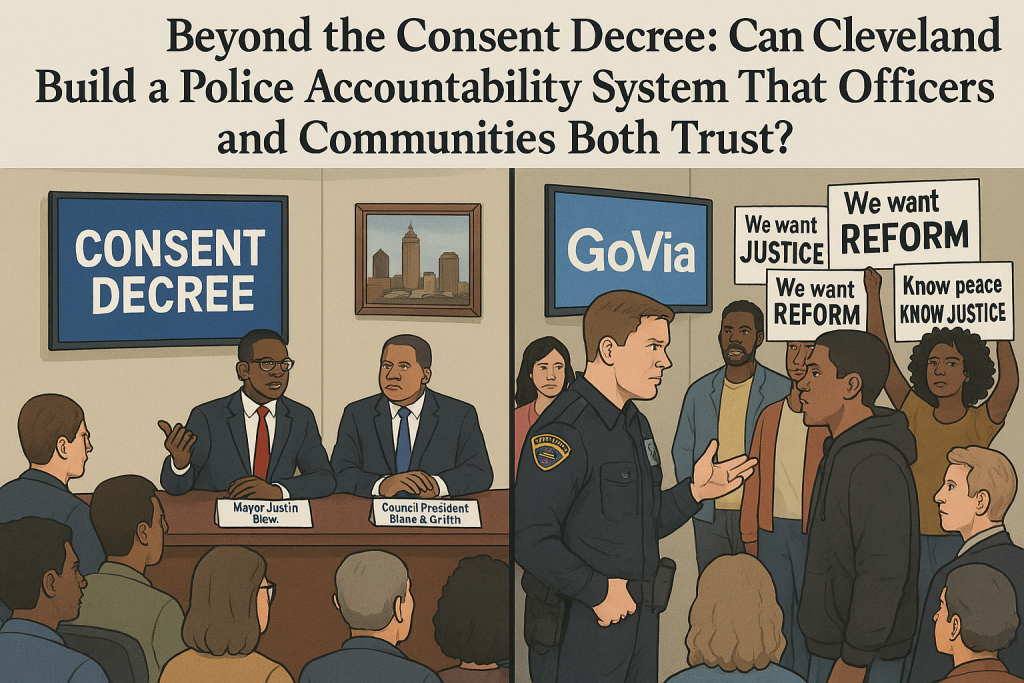
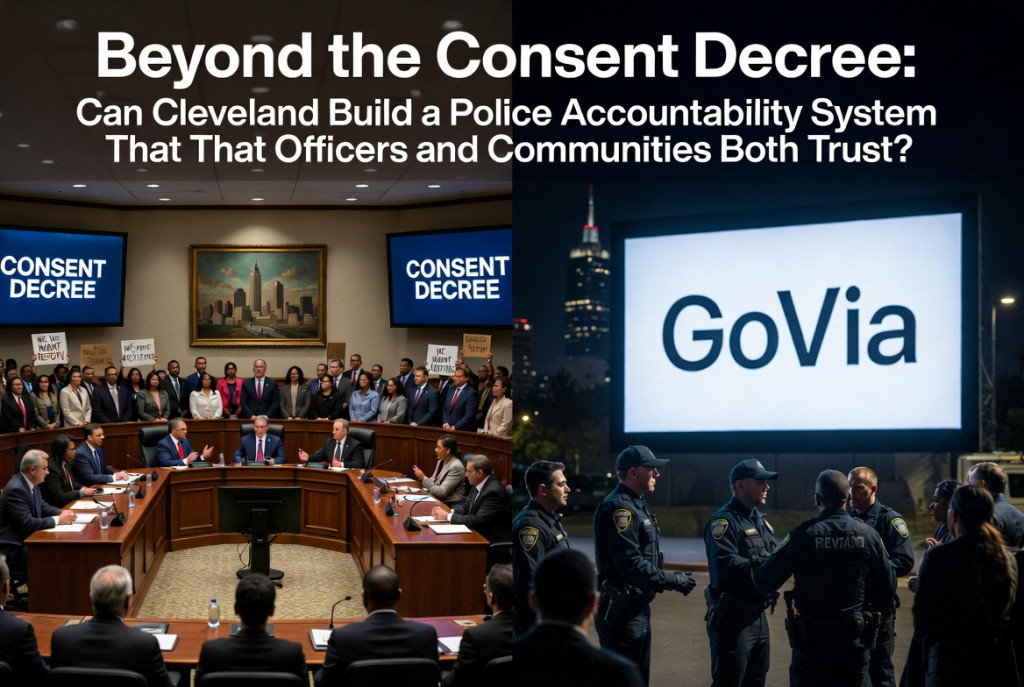
More than a decade after the fatal 2014 shooting of Tamir Rice and the sweeping findings that led the United States Department of Justice to place the Cleveland Division of Police under a federal consent decree, city leaders and community advocates are now confronting a central question: What will police accountability look like when federal oversight eventually ends?
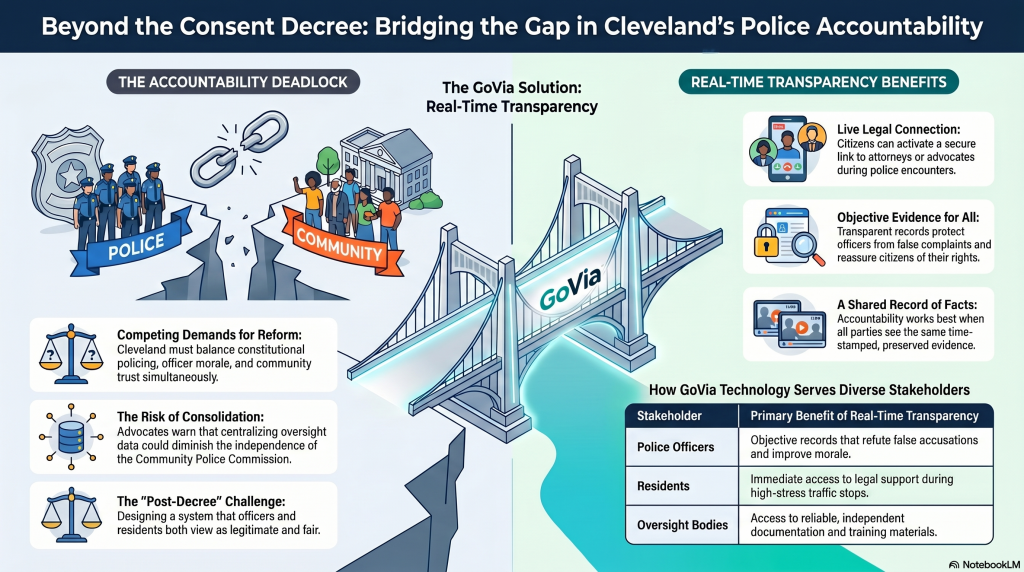
That question intensified after Black Lives Matter Cleveland, Citizens for a Safer Cleveland, and The Angelo Miller Foundation issued a public statement raising concerns about the expanding role of Cleveland’s Police Accountability Team (PAT).
Their warning was precise and urgent.
The groups did not oppose coordination. They opposed what they described as the possible consolidation of oversight authority through centralized data systems, workflow management, and administrative control that could diminish the independence of the Community Police Commission, which was established under Section 115 of the Cleveland City Charter.
For many residents, the issue is deeply familiar. Cleveland has spent years attempting to balance three competing demands: constitutional policing, officer morale, and community trust. Each has often seemed to come at the expense of the others.
The Structural Problem
Police unions want officers protected from unfair accusations and politically motivated discipline.
Community organizations want transparency, independent review, and meaningful accountability.
Residents want something more basic: to return home safely after every police encounter.
These interests are often portrayed as incompatible.
But they may not be.
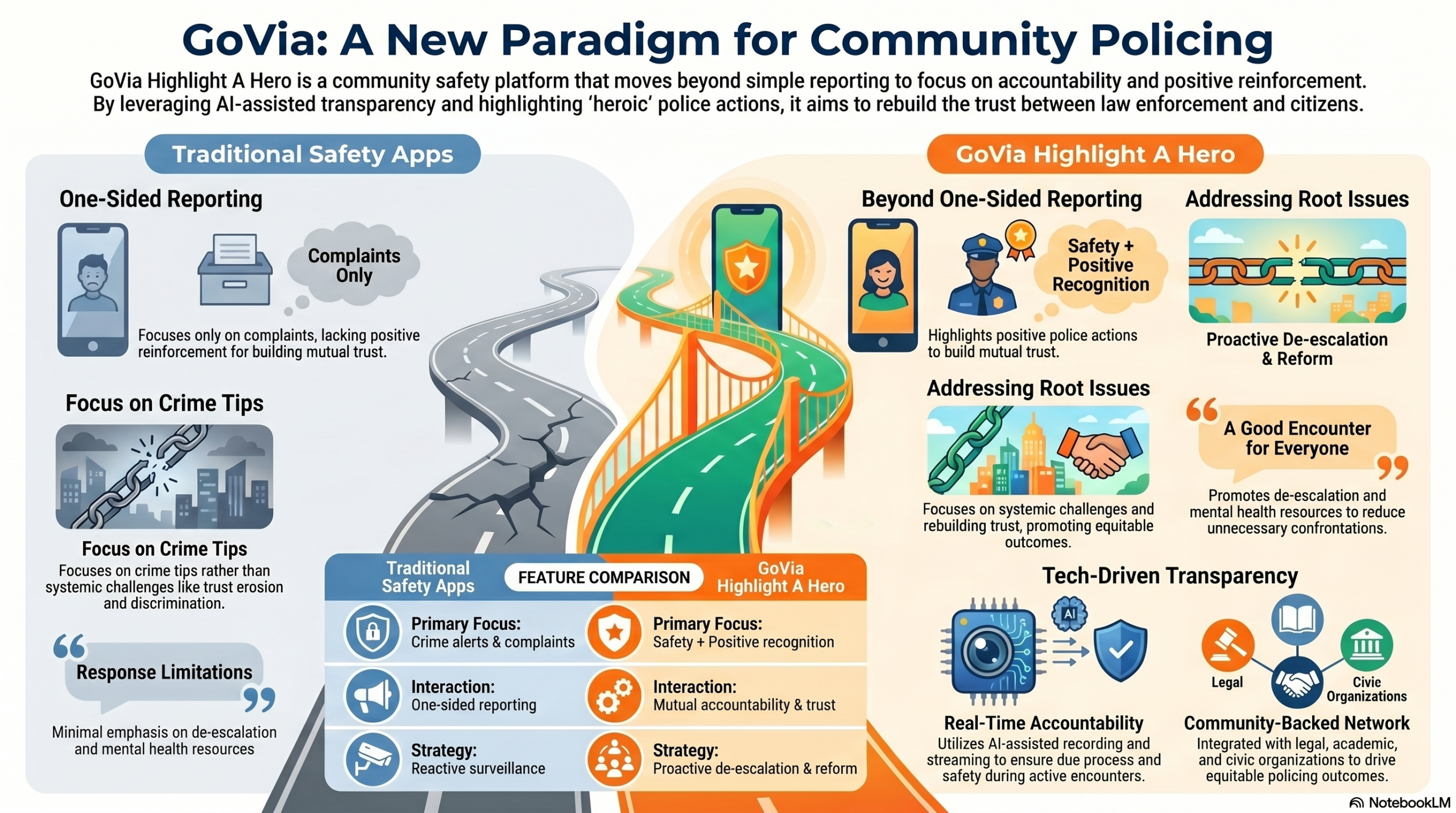
A Different Model: GoVia Highlight A Hero
Enter GoVia Highlight A Hero, a public-safety technology platform founded by Georgio Sabino.
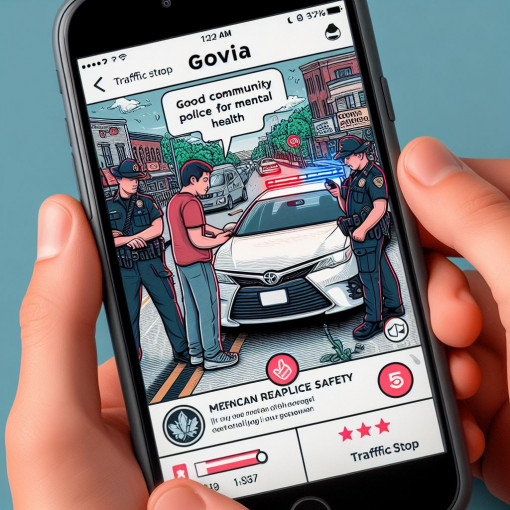
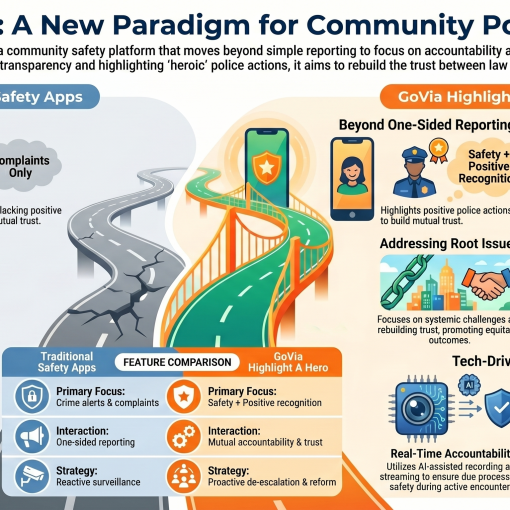
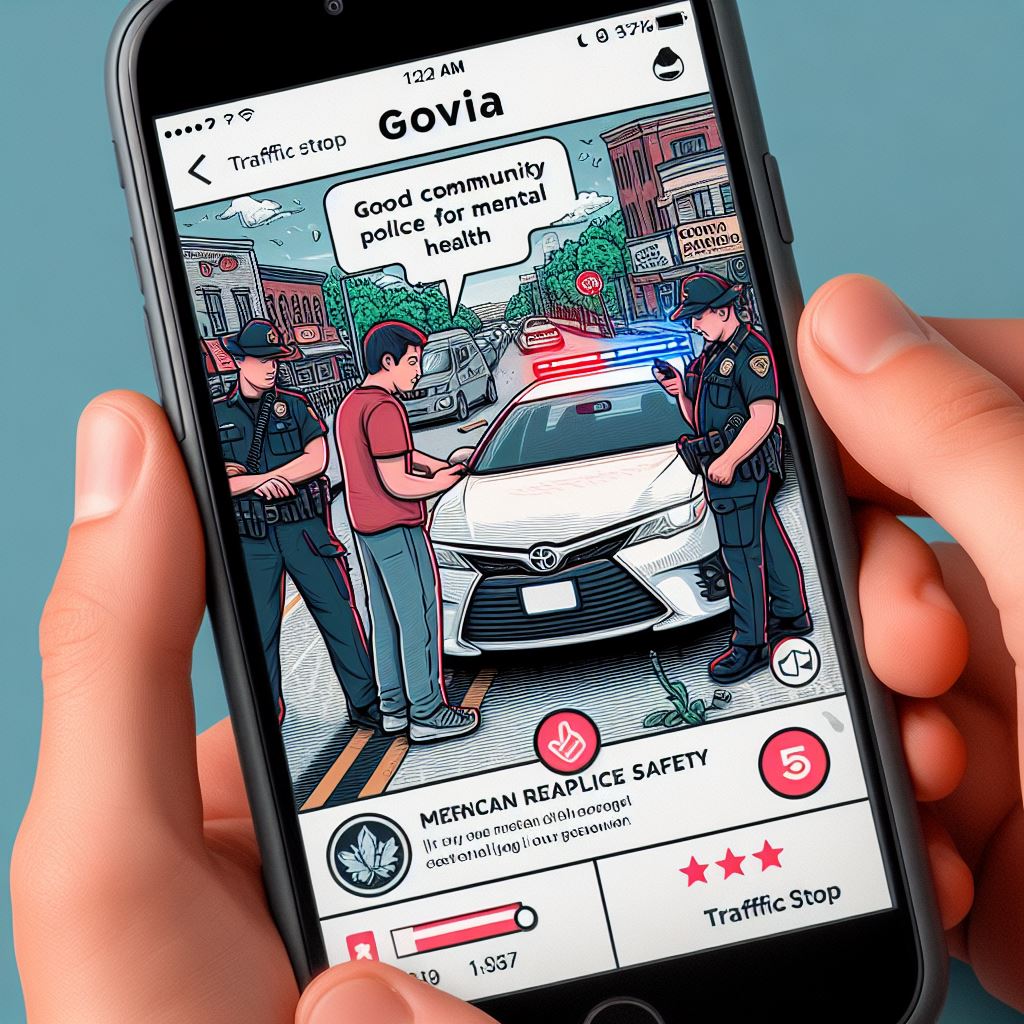
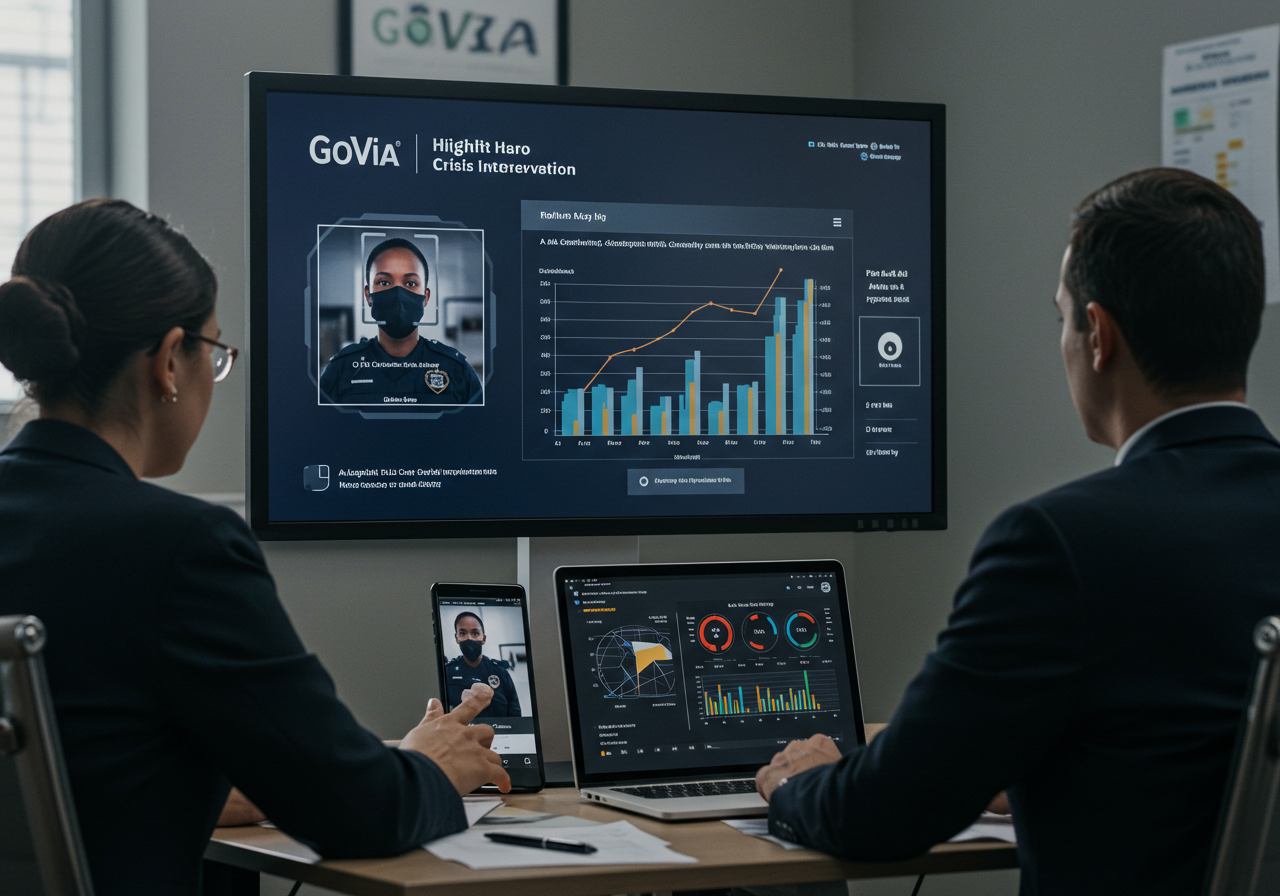
The concept is simple but potentially transformative: during a police stop or encounter, citizens can activate a secure live connection that allows an attorney, advocate, or trusted observer to join in real time. The platform can document the interaction, preserve evidence, and create a transparent record accessible to all appropriate parties.
Rather than treating police as adversaries, GoVia is built around a different premise: transparency protects everyone.
Officers gain an objective record that can refute false complaints.
Citizens gain immediate access to legal support and reassurance.
Police unions gain a mechanism that can reduce misunderstandings and improve perceptions of fairness.
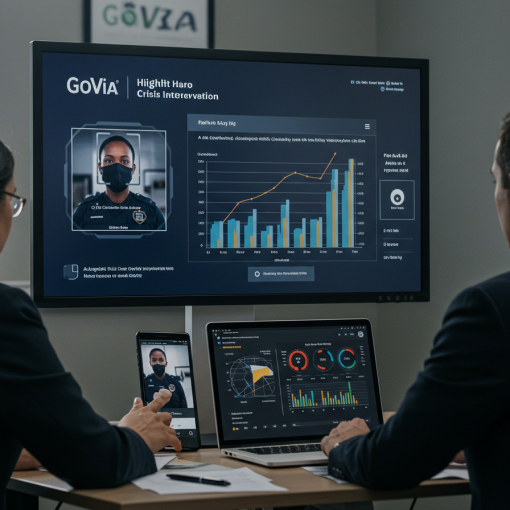
Oversight bodies gain more reliable, time-stamped documentation.
Winning Hearts and Minds
The challenge in Cuyahoga County is not simply to hold police accountable. It is to design a system that officers themselves view as legitimate.
That is where GoVia could become a bridge.
For police unions, the platform offers procedural fairness and protection against inaccurate allegations.
For departments, it can reduce escalation, strengthen public confidence, and provide valuable training material.
For community groups, it creates independent documentation that supports transparency.
For residents, it offers a modern safeguard during one of the most stressful interactions many will ever experience.
In other words, the same technology can advance accountability and officer protection simultaneously.
Cleveland’s Post-Decree Crossroads
The concerns raised by Black Lives Matter Cleveland, Citizens for a Safer Cleveland, and The Angelo Miller Foundation underscore a broader truth: accountability systems must remain independent, transparent, and trusted by the public.
But trust is not built solely in hearing rooms, court filings, or organizational charts.
Trust is built in real-time encounters on city streets, during traffic stops, and in moments when fear and uncertainty are highest.
If Cleveland is to become a national model after the consent decree, it will need more than policies and oversight matrices. It will need practical tools that demonstrate fairness to all sides.
The Future of Public Safety
Imagine a Cuyahoga County where a routine traffic stop triggers a live, transparent connection involving the citizen, the officer, and legal counsel.
No raised voices.
No uncertainty about what occurred.
No dispute over missing evidence.
Only a shared record and a shared understanding.
That vision may sound ambitious, but the core idea is straightforward: accountability works best when everyone can see the same facts.
As Cleveland prepares for the next chapter in police reform, the city faces a historic opportunity to combine independent civilian oversight with innovative technology.
The question is no longer whether Cleveland needs accountability.
The question is whether Cleveland can build a system trusted by police unions, departments, reform advocates, and the citizens they all serve.
GoVia Highlight A Hero proposes that the path forward is not choosing between police and community.
It is creating a transparent system where both can feel protected, respected, and heard.