A Story of America, Accountability, and the Promise of GoVia
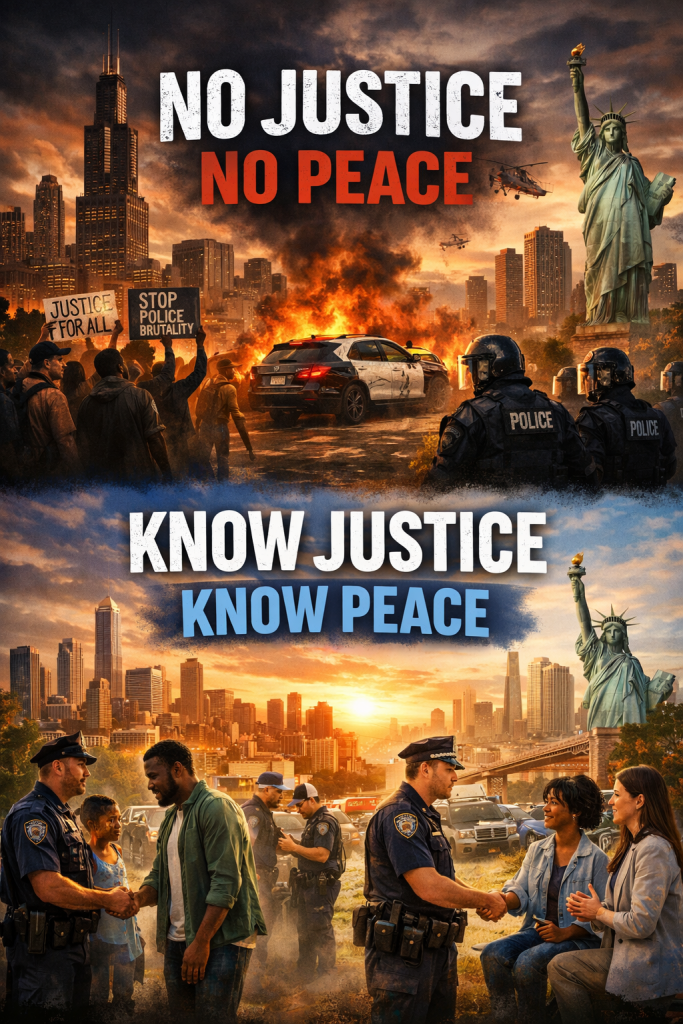
Across American streets—from Cleveland to Chicago, from Los Angeles to Miami—two chants echo through the same megaphone but mean two very different futures.
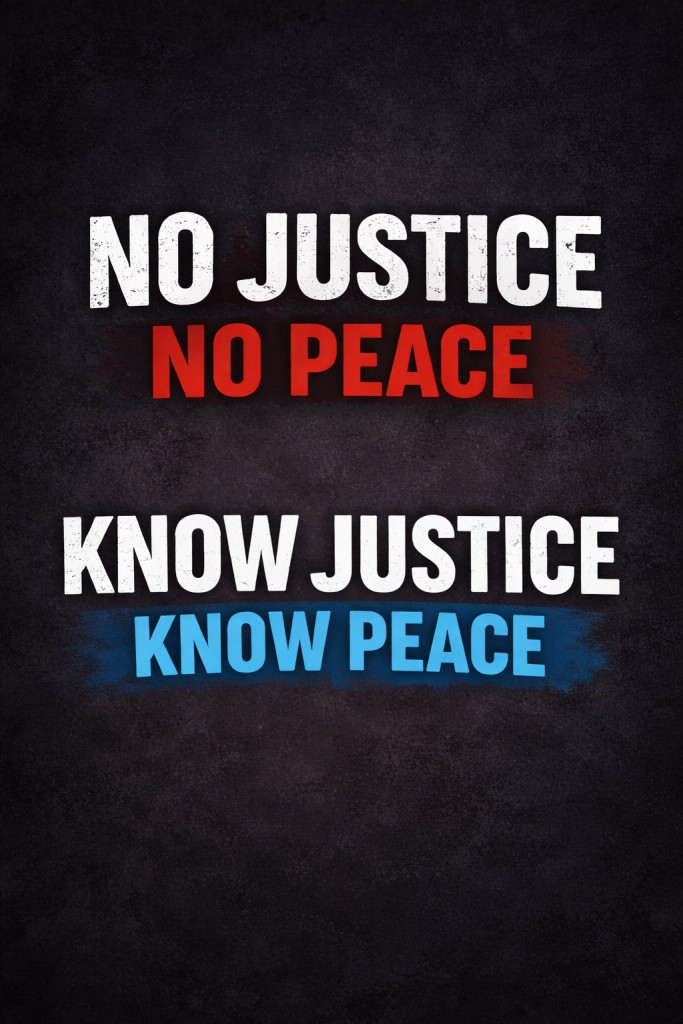
“No justice, no peace.”
A warning born from grief.
“Know justice, know peace.”
A promise born from accountability.
Between those two phrases lies the reason a new idea like GoVia — Highlight A Hero, A Community Police Safety App exists.
The Line Between Justice and Chaos
Policing in America sits on a fragile line of trust. Communities depend on law enforcement for safety, but when accountability disappears, trust collapses.
History shows this tension clearly.
Every city has a story.
Every story begins the same way:
Someone calls for help.
Someone doesn’t make it home.
Cleveland: 137 Shots and a Broken City
In 2012, in Cleveland, a car backfired.
Police believed the sound was gunfire.
A chase began.
More than 60 officers joined the pursuit across the city. The chase ended in a school parking lot in East Cleveland.
Inside the car were Timothy Russell and Malissa Williams.
Neither was armed.
Thirteen officers fired 137 bullets into the vehicle. Russell was struck 23 times. Williams 24 times. No weapon was found.
The chant “No justice, no peace” filled Cleveland’s streets.
Not just because two people died.
But because the system seemed unable to explain how 137 bullets became reasonable force.
The city paid a settlement.
But the deeper question remained:
How do communities trust institutions that investigate themselves?
Chicago: The Camera That Told the Truth
In Chicago, another story unfolded.
Seventeen-year-old Laquan McDonald was walking down the street in 2014 when Officer Jason Van Dyke fired 16 shots.
Police initially reported that McDonald charged officers.
But when dash-cam video was released a year later, the footage showed something different.
McDonald was walking away when the first shot was fired.
The video transformed the national conversation.
The camera did something courts, statements, and police reports could not.
It showed the truth in real time.
Los Angeles: Echoes of Rodney King
In Los Angeles, a bystander with a camcorder changed American history.
In 1991, Rodney King was beaten by police officers during a traffic stop.
The video aired across the country.
When officers were acquitted, riots erupted across Los Angeles.
More than 60 people died.
The message again was the same:
No justice, no peace.
But that video also triggered reforms, civilian oversight debates, and early conversations about body cameras.
Technology, once again, revealed the truth.
Miami: A Community Demands Accountability
In Miami, tensions have also erupted after controversial police shootings.
Families demanded transparency after deaths like Israel Hernandez-Llach, an 18-year-old artist who died in police custody after being tased for graffiti in 2013.
Witness accounts conflicted with official reports.
Communities asked:
Why does the truth always take years to surface?
Why does video appear only after tragedy?
New York: “I Can’t Breathe”
On a sidewalk in New York City, Eric Garner repeated the words:
“I can’t breathe.”
Eleven times.
The moment was captured on a cellphone video during his arrest in 2014.
Garner died shortly after.
The footage spread worldwide.
Once again, technology—not internal reporting—revealed what happened.
Las Vegas: A Modern City, Old Questions
Even in rapidly growing cities like Las Vegas, police accountability debates continue around officer-involved shootings.
The city has implemented body cameras and transparency policies, yet families and civil rights advocates still question how investigations are conducted and whether independent oversight is enough.
Across cities, the same pattern appears:
- An incident occurs
- The official story emerges
- A video appears
- The truth shifts
Technology exposes what power once controlled.
The Meaning of the Two Chants
The chant “No justice, no peace” is not simply anger.
It is a diagnosis of a system failure.
It means:
When people believe justice cannot be achieved through institutions, they take their voices to the streets.
But the second phrase is the solution.
“Know justice, know peace.”
Justice that is seen, verified, and transparent creates stability.
People do not protest systems they trust.
Where GoVia Enters the Story
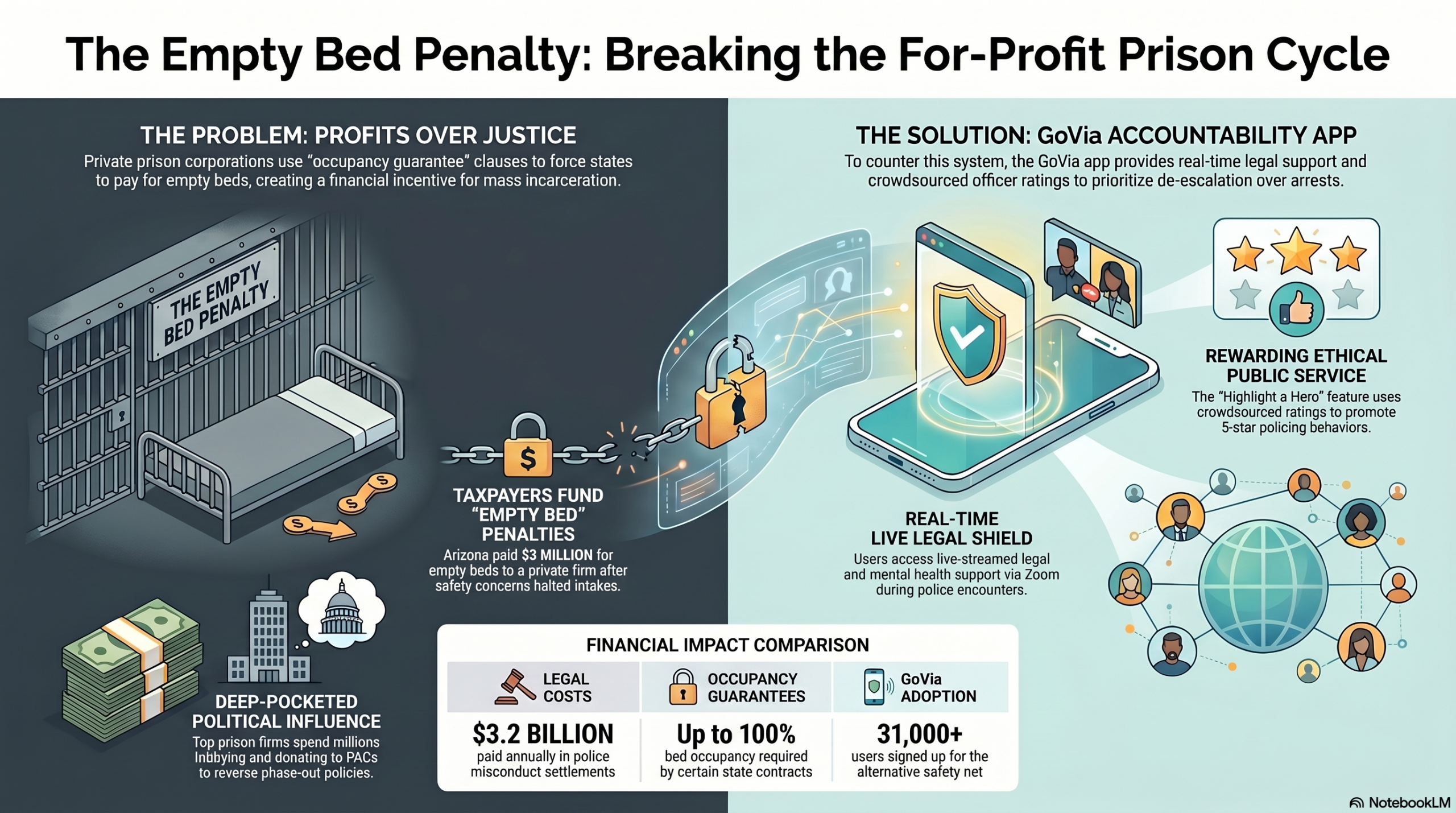
This is where GoVia – Highlight A Hero enters the conversation.
The idea is simple but radical:
Transparency in real time.
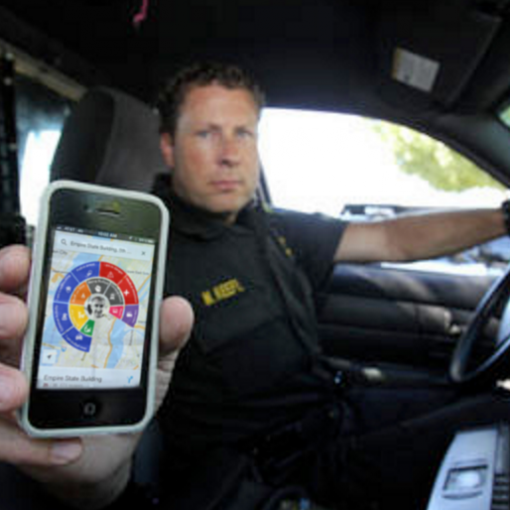
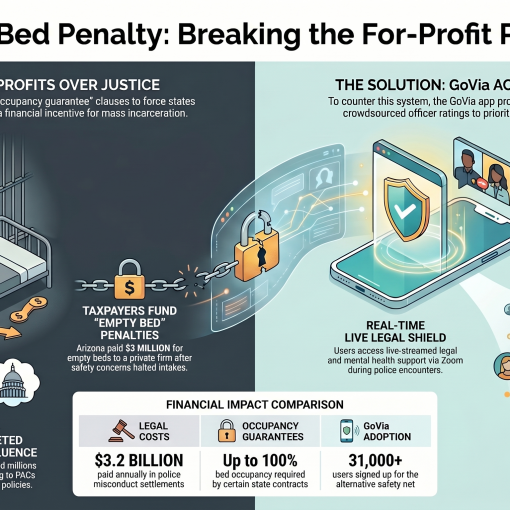
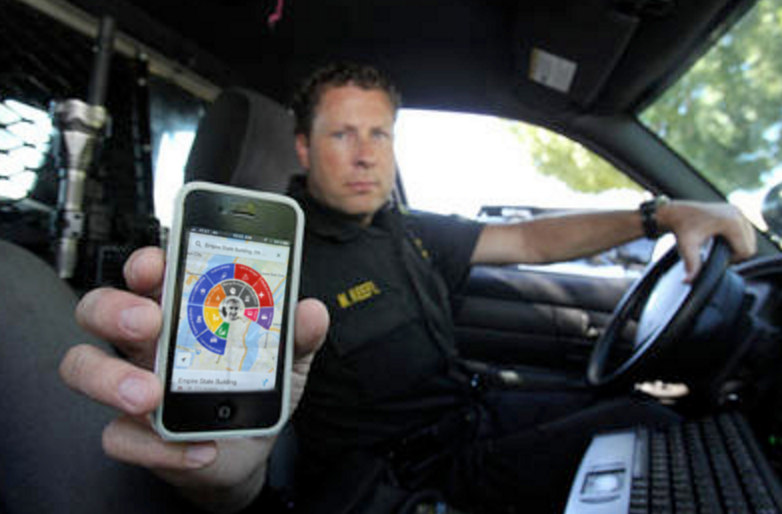
The GoVia app could allow citizens and officers to:
• livestream police encounters
• connect immediately with attorneys
• activate mental-health professionals
• document incidents securely
• create a shared record of events
Instead of the truth emerging months or years later, it appears immediately.
This protects both sides.
Good officers are protected from false accusations.
Citizens are protected from hidden force.
And communities can finally see what really happened.
Highlight A Hero
The name “Highlight A Hero” is important.
Most officers are not villains.
Most citizens are not criminals.
But when systems hide mistakes, everyone loses trust.
Technology should not exist to punish.
It should exist to illuminate integrity.
A GoVia recording could show:
• an officer de-escalating a crisis
• a citizen complying peacefully
• a mental health professional preventing violence
Those are heroic moments too.
From Protest to Peace
America’s streets have carried the chant for decades.
No justice, no peace.
But the next era requires something different.
A society where justice is visible.
Where the truth cannot disappear.
Where the community and the police share the same reality.
That is the promise behind GoVia.
Not simply an app.
But a bridge between two worlds.
Because when people know justice—
They finally know peace.