This article is inspired by Christopher Yoshito Davis
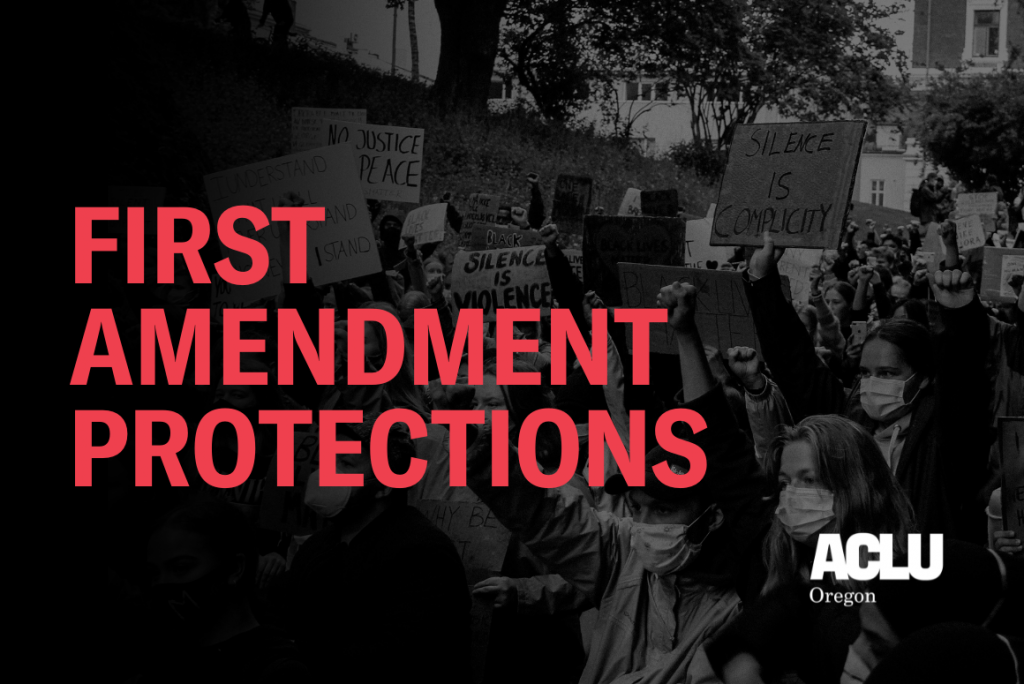
From marches for racial justice to democracy rallies and labor demonstrations, protest has always been one of the most powerful tools citizens have used to change society. In the United States, the right to protest is protected under the First Amendment — yet history shows that people exercising that right often face legal risk, arrests, and confrontation with authorities. (American Civil Liberties Union)
Across the country today, activists organize under many banners:
- Black Lives Matter protests
- “No Kings Day” democracy rallies
- Immigration justice marches
- Women’s rights demonstrations
- Environmental climate strikes
- Labor union protests
- Anti-war protests
- Student campus protests
- Voting rights rallies
- Police reform demonstrations
- LGBTQ+ equality marches
For many participants, these protests are acts of moral courage. But they also come with a reality few people discuss before they step into the streets: legal exposure in the moment.
That is precisely where new tools like GoVia: Highlight A Hero could reshape the experience of protest — by connecting participants with legal help and accountability mechanisms in real time.
The Reality: Arrests at Protests Are Common
Even peaceful protests can result in arrests.
During nationwide demonstrations over immigration enforcement, nearly 400 arrests were reported in Los Angeles alone during several days of protest activity. (AP News)
In another case, 98 protesters were arrested during a demonstration inside Trump Tower in New York calling for the release of a detained activist. (The Guardian)
Historically, mass arrests during protests have happened repeatedly in American history. During the 1971 May Day anti–Vietnam War protests, more than 12,000 people were arrested in Washington, D.C., the largest mass arrest in U.S. history. (Wikipedia)
More recently, racial justice demonstrations following the killing of Breonna Taylor led to hundreds of arrests across multiple protests, even when participants were engaged in nonviolent civil disobedience. (Wikipedia)
And yet, many protesters often show up without legal support in place.
The Problem: Protesters Often Have No Legal Support in the Moment
If someone is detained or arrested during a protest, legal experts say the first step is clear:
Ask for a lawyer immediately and exercise the right to remain silent. (Dickman Law Office P.S.C.)
But that advice assumes something critical:
You already have access to legal help.
In reality, most protesters rely on:
- Writing a lawyer’s phone number on their arm
- Hoping a legal aid organization is present
- Waiting hours or days to contact representation
Even organizations like the National Lawyers Guild deploy legal observers at protests to document misconduct — but they cannot represent everyone who gets detained. (Wikipedia)
In high-tension situations, people often find themselves alone, unsure of their rights, and surrounded by law enforcement.
A Modern Gap: Technology Hasn’t Caught Up With Protest Rights
Social movements organize faster today than ever before.
Research shows social media platforms can predict protests with more than 75% accuracy, reflecting how digital networks now mobilize large crowds quickly. (arXiv)
But while technology has revolutionized how protests start, it has not evolved enough to protect participants once they arrive.
Most protesters still lack:
- Immediate legal access
- Real-time documentation tools
- Accountability mechanisms during police encounters
That gap is exactly where a new model like GoVia: Highlight A Hero could play a role.
Why Protesters Should Join GoVia
Imagine attending a protest where, if something goes wrong, you can instantly access legal support and documentation tools from your phone.
A platform like GoVia could allow protesters to:
1. Access Legal Help in Real Time
Instead of scrambling for a phone number after arrest, users could connect with an attorney or legal support instantly.
2. Document Police Encounters
Evidence matters in court. Recording interactions, locations, and officer information can be crucial to defending civil rights cases.
3. Encourage Positive Policing
GoVia’s concept of “Highlight a Hero” also allows protesters to recognize officers who act professionally, respectfully, and protect constitutional rights.
4. Strengthen Accountability
By collecting verified reports from both citizens and officers, technology could create a transparent record of encounters during demonstrations.
Real Stories Show Why It Matters
During the George Floyd protests, thousands of people were detained nationwide, yet the majority of cases were later dismissed, showing how mass arrests often sweep up peaceful protesters. (Wikipedia)
But even temporary detention can have consequences:
- Lost work
- Court dates
- Legal expenses
- Permanent arrest records
For many activists, the experience is intimidating enough to discourage future civic participation.
A New Era of Civic Protection
Protests are part of the American tradition of democracy.
From the Civil Rights Movement to modern social justice demonstrations, change often begins with citizens willing to stand in public and demand it.
But the next generation of activism may require something new:
Digital protection for civil rights in real time.
Platforms like GoVia: Highlight A Hero aim to bring together:
- citizens
- attorneys
- accountability tools
- community transparency
into a single ecosystem.
Because when people take to the streets for justice, democracy works best when they are protected while doing it.