Photo by Stephen Maturen / Getty Images – Educational Purposes
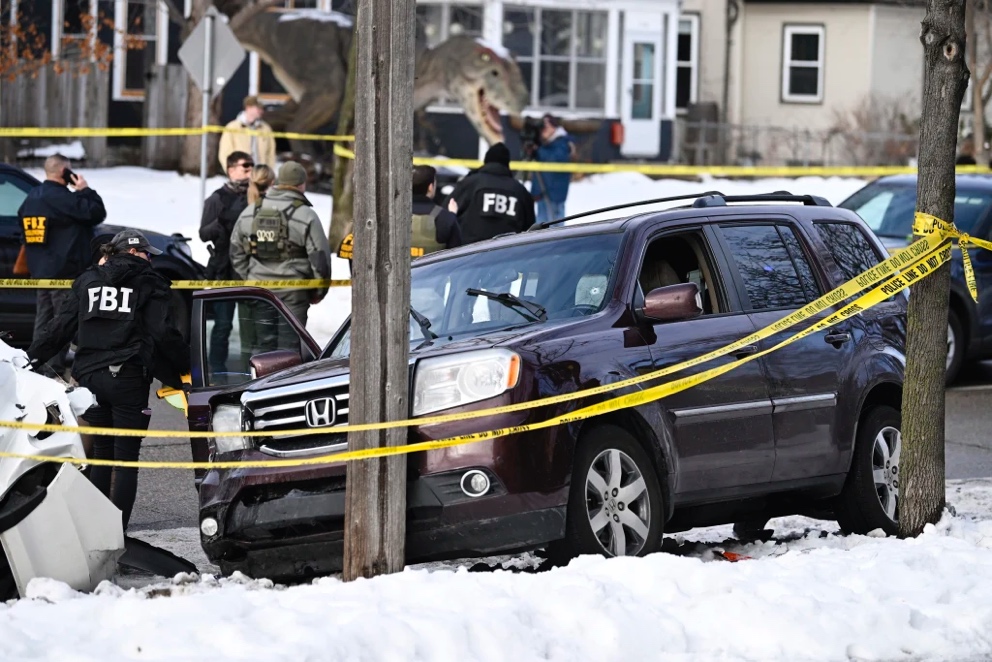
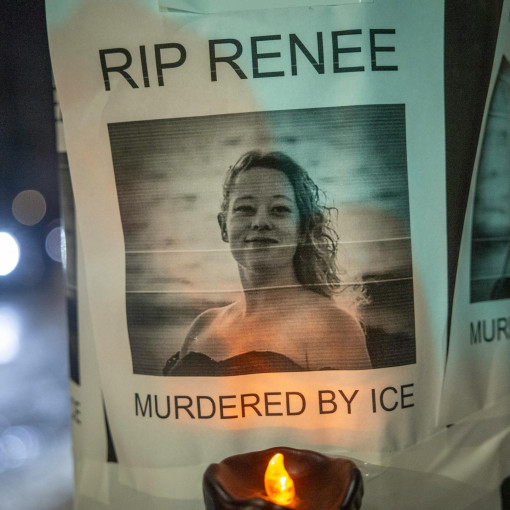
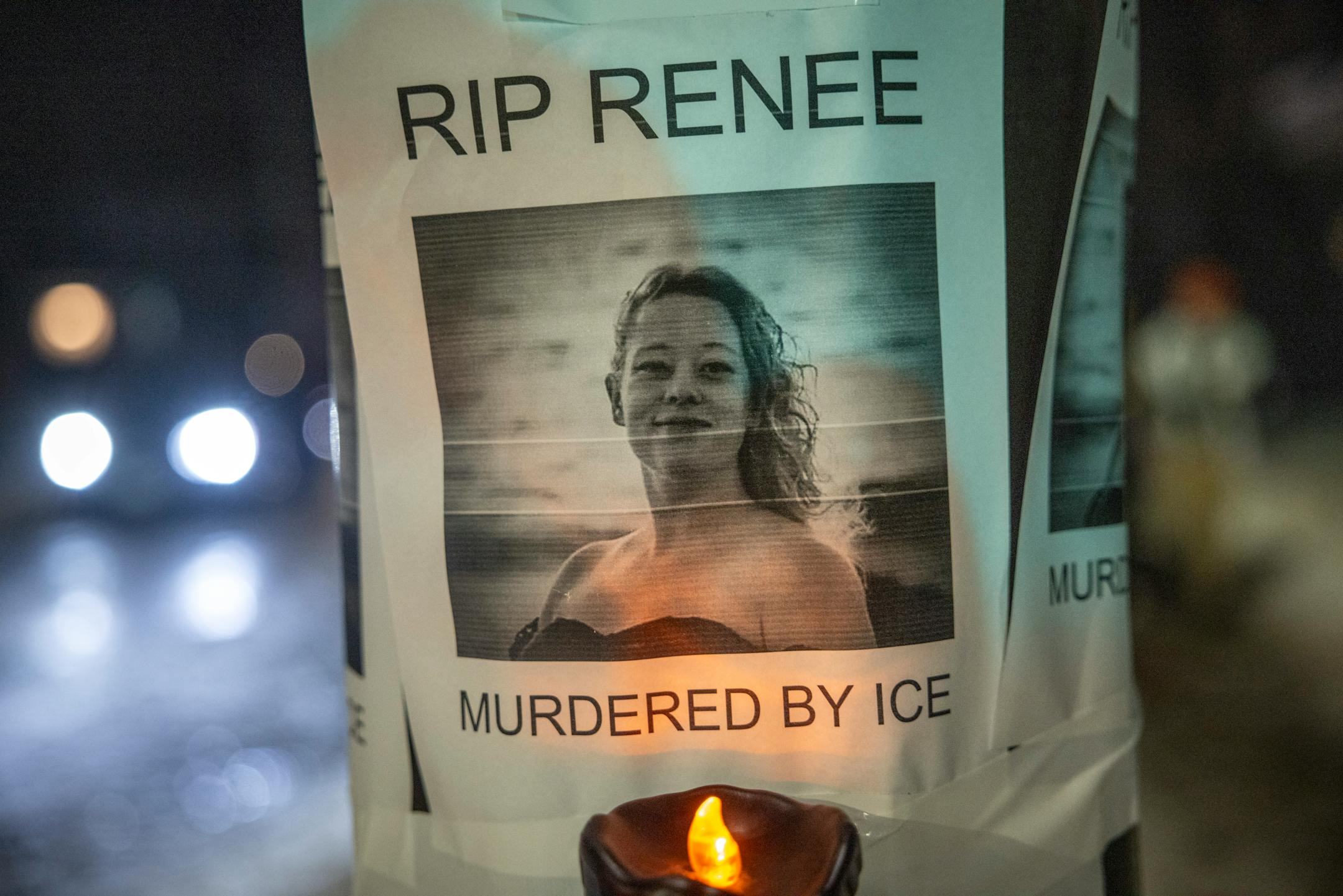
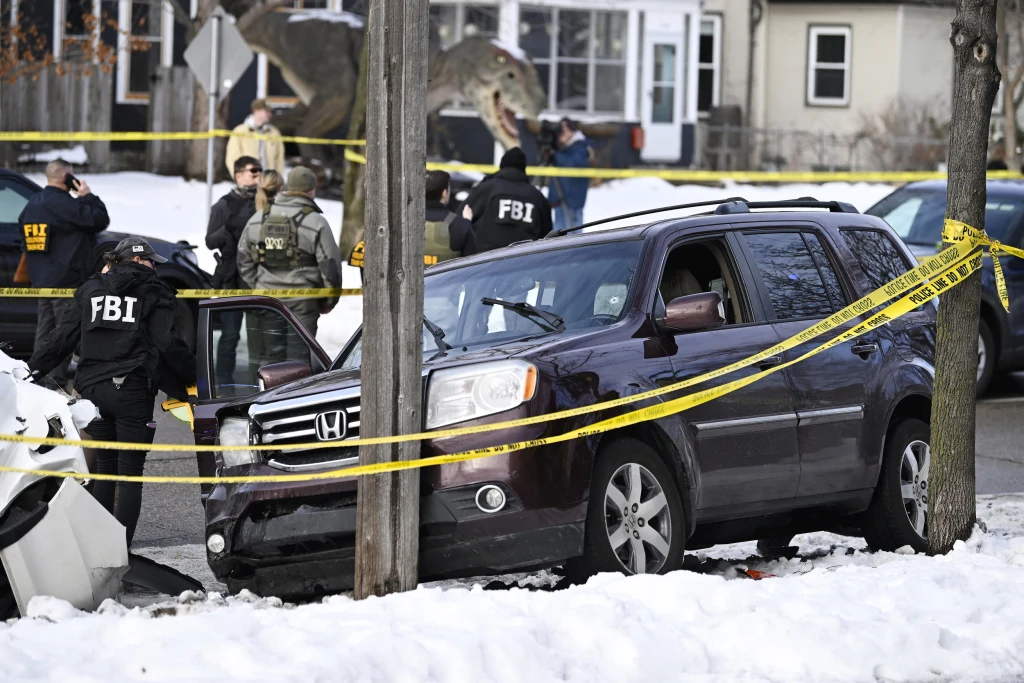
On January 7, 2026, a federal Immigration and Customs Enforcement (ICE) agent in Minneapolis fatally shot a 37-year-old woman identified as Renee Nicole Good during a large-scale immigration enforcement operation in the city. Through his tweet, Donald Trump effectively suggested blanket -(Full) immunity for the ICE agent involved in the Minnesota shooting—an extraordinary claim that bypasses due process, undermines established use-of-force standards, and conflicts with constitutional principles requiring accountability and independent review.
The incident occurred as part of what the Department of Homeland Security described as the “largest immigration enforcement operation ever” in Minnesota—deploying approximately 2,000 ICE and DHS agents amid a crackdown on alleged fraud and immigration violations tied to Somali residents and other communities across the region.
Conflicting Narratives: Administration vs. Local Officials
Federal claims: Video
Department of Homeland Security officials and ICE asserted the agent acted in self-defense after the woman’s vehicle allegedly attempted to run over federal agents. DHS spokespersons went further, labeling the encounter an “act of domestic terrorism.”
President Donald Trump shared this account on Truth Social, writing that the woman “violently, willfully, and viciously ran over the ICE officer” and calling the video “a horrible thing to watch,” while positioning the incident within his administration’s broader narrative that federal agents are under attack from the “Radical Left.”
Local leaders and community advocates publicly rejected these characterizations:
- Minneapolis Mayor Jacob Frey condemned the federal narrative as “bullshit” and demanded that ICE leave the city, saying their presence was “causing chaos and distrust” and literally killing people.
- Minnesota Governor Tim Walz urged calm and insisted on a full, transparent investigation.
- Congresswoman Betty McCollum called on ICE to “cease and desist immediately,” stressing that federal actions have “sown chaos, division, and distrust not only in Minnesota but across the nation.”
Videos circulating online depict the woman trying to move her vehicle as ICE agents surrounded it—contradicting claims that an agent was run over.
Witness Accounts and Community Reaction
Witnesses in the neighborhood reported a chaotic scene. Some said that an ICE agent tried to open the vehicle’s door, after which the woman pulled away. Gunshots were heard shortly thereafter.
From social and local posts:
- Witnesses described seeing the driver trying to leave and then being shot through the window—“ICE just shot a woman in Minneapolis in the face…” one thread reported.
- Others said the woman wasn’t harming anyone and was trying to get away.
- Community members condemned federal agents and defended local leaders calling for ICE to pull out of the city.
Protest chants of “ICE out of Minnesota!” and cries against the use of force broke out near the scene, focalizing anger over federal enforcement tactics being used in residential neighborhoods.
ICE Raids, Arrests, and Racialized Enforcement: The Broader Picture
This incident is not isolated. Nationwide ICE enforcement has escalated sharply under the current administration:
Data Trends Across the U.S.
- In the first nine months of the administration’s second term, ICE arrested nearly 75,000 people with no criminal record—disproving the narrative that enforcement is only targeting violent criminals.
- National analysis indicates that Latinos made up roughly 90% of ICE arrests during the first six months of 2025, with arrests of Mexican, Central American, and other Latino community members surging beyond prior years.
- Nearly three-quarters of individuals arrested in one analysis were Latino, and the majority had no criminal conviction.
- Recent federal arrest data suggests that national ICE detentions are rising, with a significant share of the interior arrests involving immigrants without convictions.
Minnesota in Context
- Data from Minnesota indicates over 1,600 ICE arrests from the start of 2025 to mid-October, a significant rise over prior years.
- Yet, Minnesota accounts for less than 1% of nationwide ICE arrests, highlighting that enforcement isn’t concentrated only in one region but is part of a larger national push. Latino and immigrant communities, especially in places like Minnesota, feel particularly targeted. Recent Pew Research found that nearly six in ten Latinos report ICE raids or arrests in their area, and over half are worried that someone close to them could be deported.
Civil Rights and Criminal Law Implications
Under U.S. law, interior immigration enforcement—even for noncitizens—is a civil procedure, not a criminal prosecution. As a result:
- Being undocumented is a civil violation, not a criminal offense.
- Use of deadly force by federal officers is legally constrained by constitutional due process protections and Supreme Court precedent (e.g., Tennessee v. Garner and Graham v. Connor standards), which require imminent threat to life—not merely property contact or obstruction.
- When agents assert self-defense, prosecutors and investigators must weigh objective evidence (e.g., videos showing the threat level, injuries to officers) against those legal standards.
In this Minneapolis case, local officials and community witnesses argue that the available video evidence does not support an exigent threat that would justify lethal force—contradicting DHS’s and the president’s statements.
Voices from Black, Indigenous, and Immigrant Leaders
Following the shooting, several civil rights leaders and officials called for accountability:
- Rep. Ilhan Omar denounced federal actions and stressed the need for protection of communities witnessing over-militarized enforcement.
- Local Somali and immigrant community members echoed fears that immigration enforcement is being used to target specific ethnic groups and exacerbate distrust between law enforcement and these populations.
National civil rights organizations have long argued that broad enforcement without transparency disproportionately affects people of color and undermines constitutional liberties.
Where GoVia Comes In: A Civil Rights Technology with a Human Face
In moments like these—when tragedy intersects with legal ambiguity, fear, and political rhetoric—GoVia presents a new paradigm for community protection and justice:
Rapid Civil Rights Legal Support
GoVia connects individuals and families affected by ICE raids with experienced civil rights attorneys who can:
- File injunctions to delay deportation or removal proceedings during legal review.
- Provide defense coordination for people unjustly targeted.
- Support families bereaved by excessive use of force.
This matters particularly when local police may be overwhelmed by federal forces, or when confusion around detainers and federal jurisdiction arises.
Real-Time Incident Documentation
When videos of events go viral, misinformation can spread quickly—exacerbating polarization. GoVia’s platform structures verified incident reporting, enabling:
- witness testimony collection that is preserved for legal use;
- timestamped evidence useful to attorneys and investigators;
- clarity that reduces rumor and counteracts misleading claims.
Crisis Intervention and Advocacy
In addition to legal aid, GoVia helps families access mental health professionals, community advocates, and translators—especially critical for Latino and Somali communities fearful of ICE presence and potential retaliation.
In a moment when immigrant rights and civil rights intersect with law enforcement policy, GoVia stands as a tool of justice—anchored in transparency, legal empowerment, and community solidarity.
GoVia Take: Justice, Truth, and the Rule of Law
The killing of Renee Good in Minneapolis is more than an isolated event—it is part of a larger national pattern of aggressive immigration enforcement that raises urgent questions about use of force standards, racial targeting, civil liberties, and accountability. Trump’s official framing contrasts sharply with video evidence, local leaders’ statements, and constitutional norms governing use of deadly force.
Communities—especially Black, Latino, and immigrant populations—are looking for facts, protection, and avenues for justice. In these contexts, GoVia offers a framework that not only responds to crisis moments but empowers communities to assert their rights and access justice with legal paths that counter state overreach.