By an investigative team inspired by the New York Times, BBC, and Al Jazeera standards. By Georgio Sabino III
Introduction: What People Mean by “SuperCop”
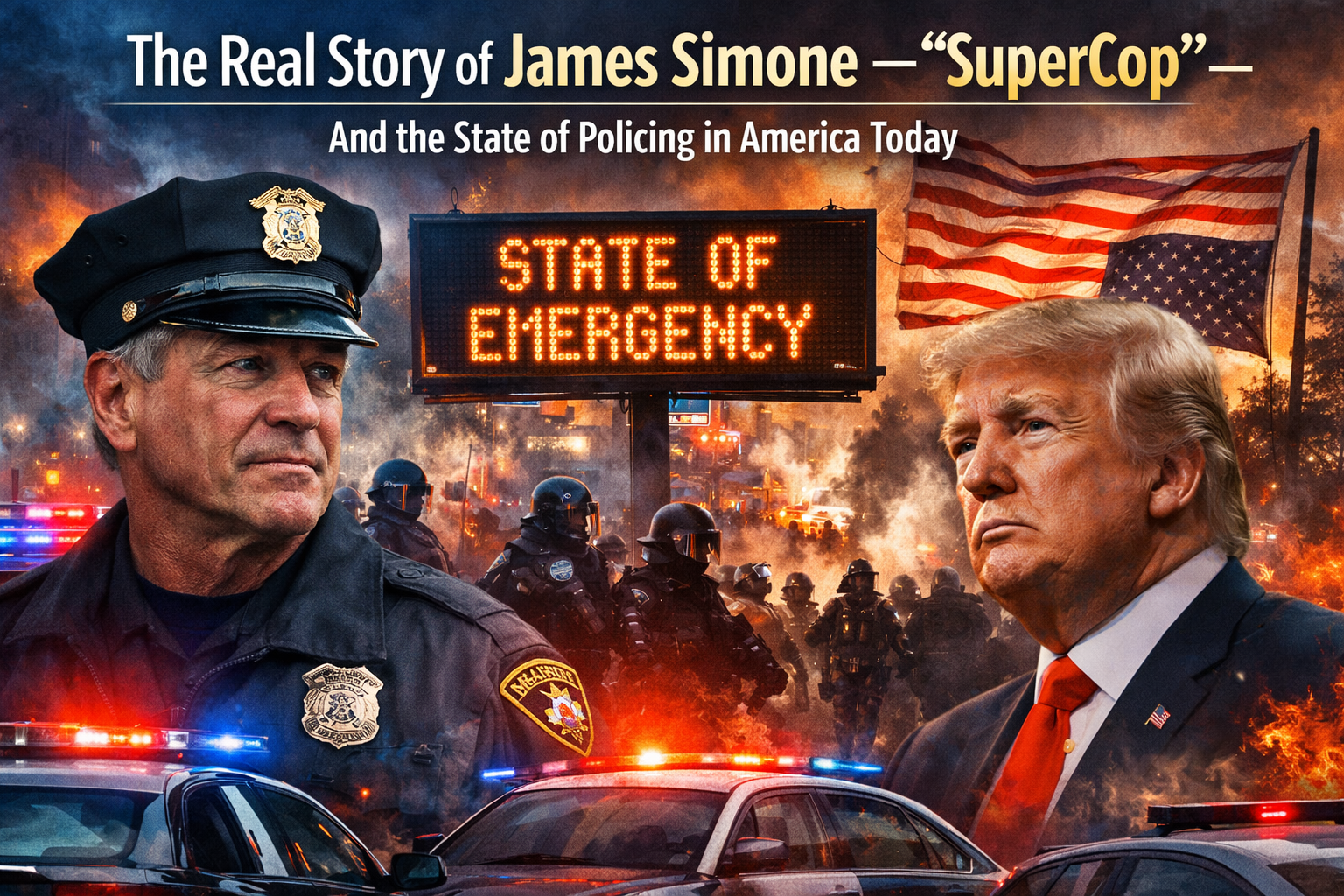
James Simone — sometimes called Jim Simone — is a retired patrol officer of the Cleveland Division of Police. During a career spanning 1973–2011, Simone became one of the most high-profile figures in local law enforcement. He made over 10,000 arrests, issued more than 100,000 citations, and shot 11 people in the line of duty, five of whom died; all deadly-force incidents were investigated and ruled justifiable by internal authorities.
To supporters, Simone was the embodiment of commitment and courage: shot twice, stabbed once, and even hit by cars in the line of duty — yet always returning to serve.
To critics, his legacy raises profound questions about police violence, accountability, and the culture of policing in America.
What Weapons Did Simone Carry?
As a patrol officer, Simone’s standard issued weapon was a Glock 9mm pistol, which he famously removed from his holster — even while off-duty — during confrontations such as a 2008 bank robbery incident.
He also carried the usual police kit of the era — service firearm, baton, handcuffs, and radio — and was trained for high-risk encounters that might also involve backup tools like Tasers, although specific deployment records are limited.
Stories People Have Shared — Heroism and Controversy
Heroic Encounters
Simone’s defenders point to incidents like:
- Ice-rescue bravery — In 2011, Simone jumped into a frigid Cuyahoga River to save a woman who had fallen through the ice. Both suffered hypothermia but survived.
- Bank robbery response — Off-duty, he responded to a robbery in progress, pursued the suspect, and used his firearm in what officers said was a justified attempt to stop a fleeing bank robber.
These moments built his legend and earned numerous commendations, including multiple Officer of the Year awards.
Controversial Use of Force
Critics have highlighted aspects of Simone’s record that echo larger national debates:
- High shooting count — 11 shootings is far above typical patrol averages. Some argue this reflects proactive policing taken too far.
- Aggressive language and tactics — In archived reporting, Simone is quoted threatening suspects with death and leading high-intensity arrest and citation drives.
- Fatal shooting of unarmed suspects — The Hackworth bank robbery shooting resulted in a death despite no weapon being recovered.
These tensions — between heroic narratives and aggressive force — mirror national conflict over policing norms.
From Cleveland to National Debate: Minneapolis and the Killing of Renée Good
In Minneapolis, Minnesota, a federal ICE (Immigration and Customs Enforcement) agent shot and killed Renée Nicole Good during an operation. Good — a mother and community member — was in her SUV when at least two shots were fired by the officer as she began to move her vehicle.
Federal authorities characterized the shooting as justified self-defense; critics and many community members strongly dispute that narrative, saying the vehicle did not pose an imminent lethal threat and that the agent’s position in front of the car escalated the encounter.
The U.S. Justice Department has said there is currently no basis for a criminal civil rights investigation into the agent’s actions, a decision that has further inflamed public debate.
This incident is part of broader scrutiny of federal enforcement tactics, particularly in ICE operations, where citizens in Minneapolis reported agents photographing residents, pulling people from cars, and intimidation tactics.
Police State or Safe Community? The Context in Cleveland and Beyond
Cleveland Police Culture
In Cleveland, past incidents — like the 2014 killing of 12-year-old Tamir Rice by local officers — have shaped intense scrutiny of law enforcement.
This backdrop influences how Simone’s legacy is interpreted today. To some, Simone represents a bygone era of proactive, stop-at-nothing policing. To others, his record showcases the problematic outcomes of aggressive law enforcement cultures.
National Guard, Federal Forces, and the Trump Era
Across the U.S., recent years have seen:
- Increased federal involvement in local policing — including ICE and National Guard deployments tied to immigration enforcement and civil unrest responses.
- Political pressure — for example under the Trump administration — to frame federal enforcement actions as necessary against threats, sometimes discouraging independent investigations into federal use of force.
These trends contribute to what some communities call a “police state” — a perception of heavy-handed law enforcement at the expense of civil liberties.
Bad Cops vs. Good Officers: How Do We Tell the Difference?
Good officers are typically defined by:
- Transparent accountability
- De-escalation training
- Community engagement
- Respect for civil rights
Bad officers — in public perception — are typified by:
- Force used as first resort
- Lack of accountability
- Patterns of unnecessary escalation
- Erosion of public trust
Simone’s record cuts both ways: decorated for valor, yet controversial for forceful tactics. This duality reflects the larger challenge U.S. policing faces — how to balance public safety with constitutional protections.
Why Community Tools Like GoVia: Highlight A Hero Matter
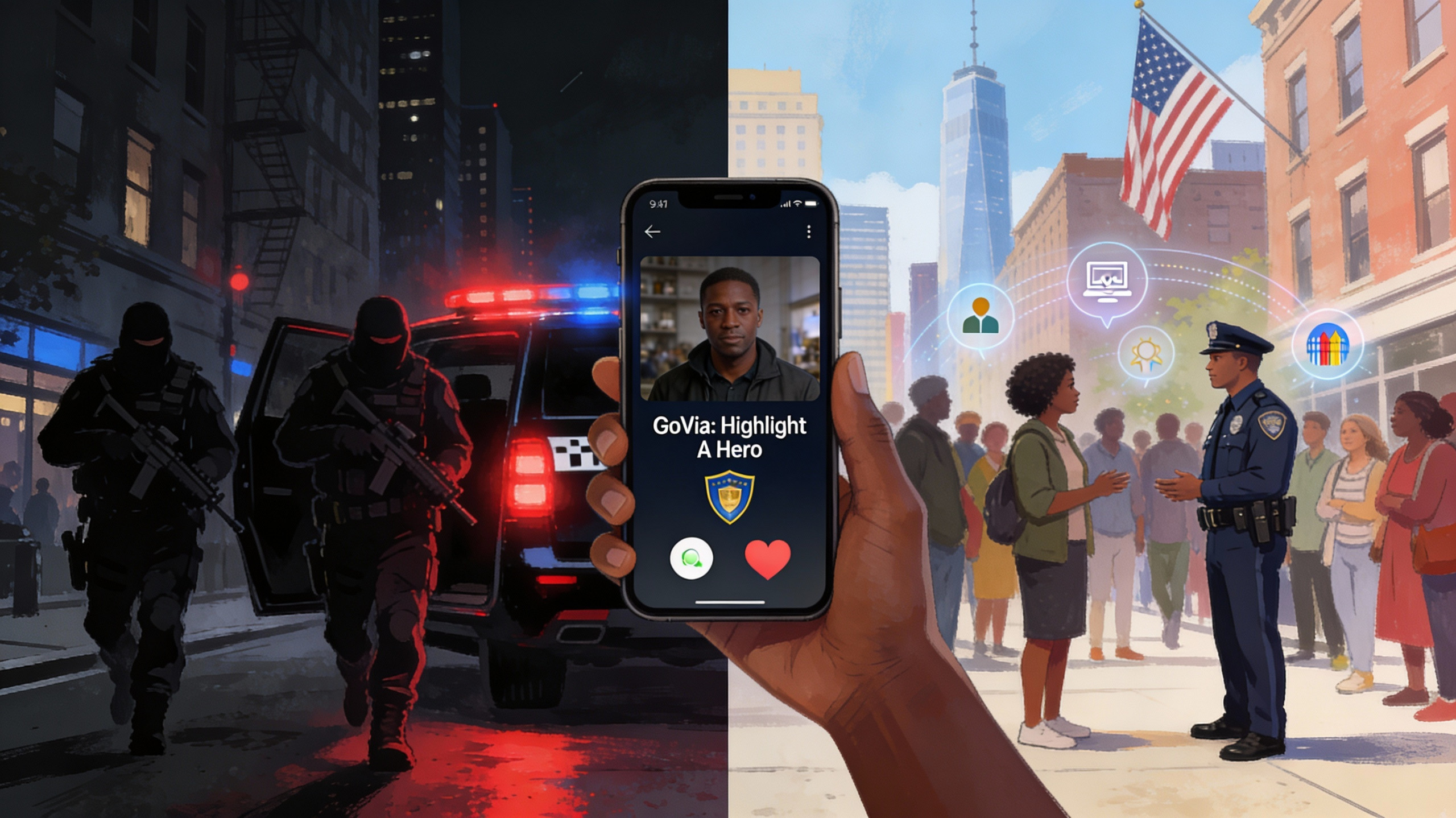
Programs like GoVia: Highlight A Hero — a community police safety app — aim to:
- Empower residents with real-time safety data
- Highlight positive police-community interactions
- Increase transparency
- Encourage accountability beyond reactive force
In cities where law enforcement has historically operated with minimal external scrutiny, such tools can bridge gaps between officers and the communities they serve. They shift the narrative from fear and confrontation toward trust and cooperation — a vital step given the national spotlight on policing.
GoVia’s Take: A Legacy in Tension
James Simone’s career symbolizes the complexity of American policing: bravery and risk, controversy and consequence. His story — when placed alongside events like the federal ICE killing of Renée Good — highlights critical questions for a nation grappling with law enforcement’s role:
How do we honor officers who serve with integrity while correcting those who abuse power?
How do we protect communities without militarizing them?
How do we ensure justice and safety for all?
Answers demand nuanced discussion — rooted in facts, committed to accountability, and responsive to communities’ lived experience.
Join / Register with GoVia www.GoVia.app Be Protected!